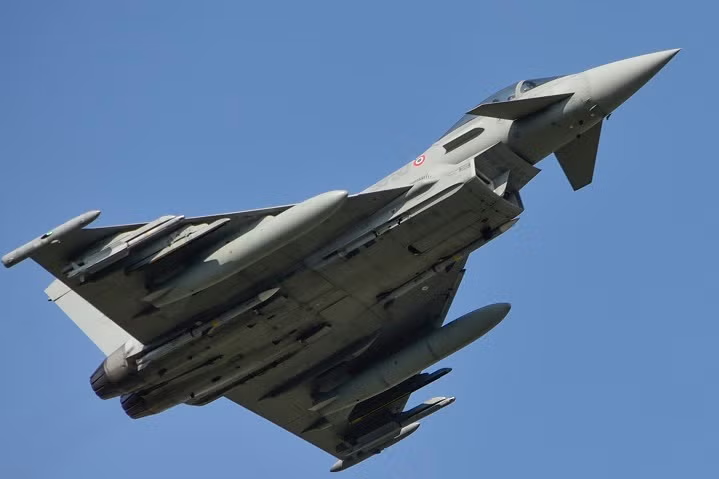
The question of why NATO scrambled fighter jets in the Baltic Sea region has gained attention recently. These actions are not sudden or unusual. They are part of a well-planned defense system designed to keep European airspace safe and secure.
What Triggered NATO to Scramble Fighter Jets?
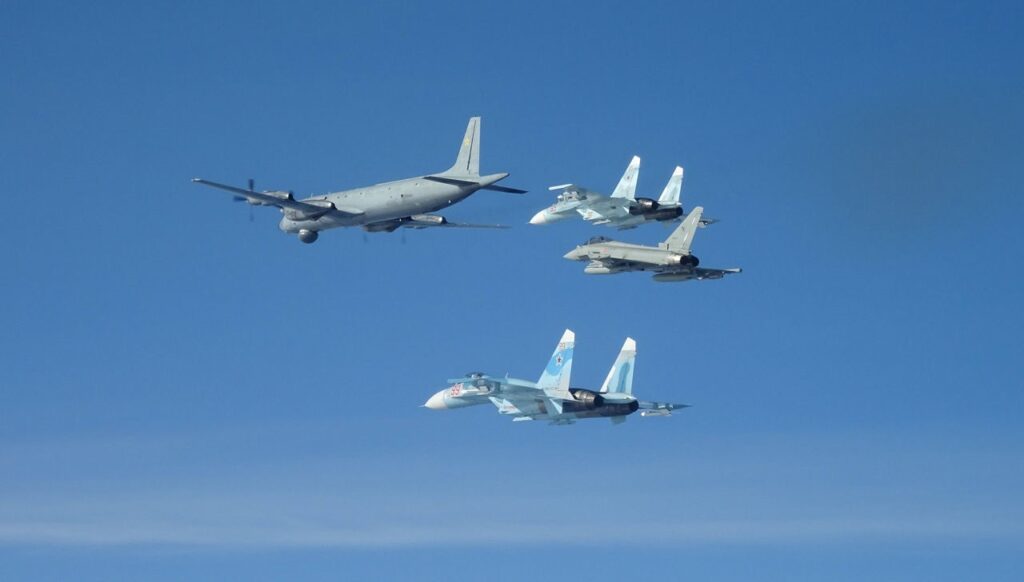
NATO scrambled fighter jets after detecting unidentified or unresponsive aircraft flying near its airspace. In many cases, these aircraft belong to Russia and operate over international waters. While flying in such areas is allowed, problems arise when these planes do not communicate properly.
Some of these aircraft do not use transponders or fail to share their flight plans. This creates uncertainty for air traffic control and raises safety concerns. To manage this, NATO quickly sends fighter jets to intercept and identify the aircraft.
Purpose Behind NATO’s Quick Response
The main reason NATO scrambled fighter jets is to avoid risk. When aircraft fly without clear identification, it becomes difficult to track their intent. NATO’s response ensures that there is no misunderstanding or accidental entry into restricted airspace.
This action also shows NATO’s readiness. It sends a clear message that the alliance is always alert and prepared to protect its member countries.
NATO vs Unidentified Aircraft: Key Differences
| Factor | NATO Fighter Jets | Unidentified Aircraft |
|---|---|---|
| Communication | Clear and active | Often missing or limited |
| Flight Planning | Fully documented | Sometimes unclear |
| Purpose | Defensive monitoring | Strategic or patrol missions |
| Risk Level | Controlled | Uncertain |
| Response Time | Immediate | Not predictable |
Importance of the Baltic Sea Region
The Baltic Sea region is highly important for both NATO and Russia. It is surrounded by several European countries and serves as a key route for trade and defense. Because of this, any unusual activity in this area is taken seriously.
NATO has been running air policing missions in this region for many years. These missions help smaller countries maintain control over their airspace. Scrambling fighter jets is a normal part of this system.
How NATO Fighter Jets Operate
When NATO scrambled fighter jets, the process happens very fast. Pilots remain on standby, ready to take off within minutes. Once an alert is received, they move quickly to their aircraft and prepare for flight.
After takeoff, the jets approach the unidentified aircraft and visually confirm its identity. They maintain a safe distance while observing the situation. This ensures that everything stays under control.
What This Means for Security
Understanding why NATO scrambled fighter jets helps explain the current security situation in Europe. These actions are defensive, not aggressive. They are meant to reduce risk and maintain stability in a sensitive region.
However, frequent interceptions can also increase tension. When military aircraft operate close to each other, there is always a small chance of miscalculation. This is why clear communication is very important.
Final Thoughts
NATO scrambling fighter jets in the Baltic Sea region is part of its ongoing effort to protect airspace and prevent risk. It reflects both the importance of the region and the need for constant vigilance.
As military activity continues, such responses will likely remain common. The focus will be on keeping these operations safe, controlled, and free from unnecessary conflict.