A severe stomach bug outbreak has raised concerns as more people report stomach-related illnesses in different parts of the country. Many of these infections are linked to Cyclospora, a microscopic parasite that spreads through contaminated food and water. While the illness is usually not life-threatening, it can cause severe discomfort and may require medical treatment in some cases.
Understanding the symptoms, causes, and prevention methods can help you stay safe and reduce your risk of infection.
What Is Causing the Severe Stomach Bug Outbreak?
The current outbreak is mainly associated with Cyclospora, a parasite that affects the digestive system. People become infected after consuming contaminated fresh produce or drinking unsafe water. Since symptoms often appear several days after exposure, identifying the exact source can be difficult.
Unlike viral stomach infections, Cyclospora does not spread easily from one person to another. Instead, contaminated food and water remain the most common sources of infection.
Symptoms You Should Never Ignore
Symptoms of Cyclospora infection can range from mild to severe. The most common signs include:
- Watery diarrhea
- Stomach cramps
- Nausea
- Bloating
- Fatigue
- Loss of appetite
- Mild fever
If diarrhea continues for several days or you notice signs of dehydration, it is important to seek medical care.
Cyclospora Infection vs Viral Stomach Bug
| Feature | Cyclospora Infection | Viral Stomach Bug |
|---|---|---|
| Cause | Parasite | Virus |
| Spread | Contaminated food or water | Direct contact with infected people |
| Symptoms Start | 2 days to 2 weeks | 1–3 days |
| Common Symptom | Watery diarrhea | Vomiting and diarrhea |
| Treatment | Antibiotics may be needed | Fluids and rest |
How to Protect Yourself During the Severe Stomach Bug Outbreak
Following simple food safety practices can significantly lower your risk of infection.
- Wash your hands thoroughly with soap and water before eating and after using the restroom.
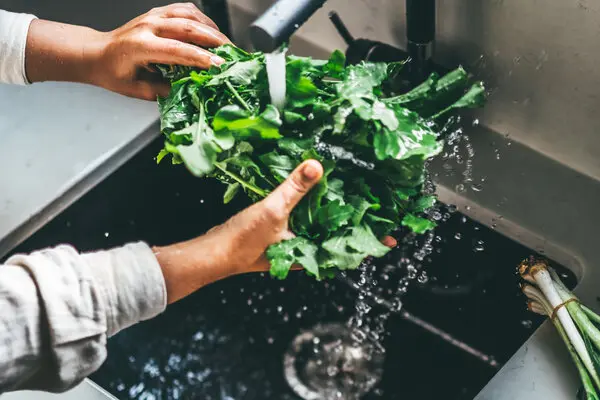
- Rinse fresh fruits and vegetables under clean running water before consuming them.
- Remove the outer leaves of lettuce before washing the remaining leaves.
- Wash herbs such as basil and cilantro carefully.
- Cook vegetables whenever possible, as heat destroys the parasite.
- Drink clean and safe water, especially if there are local water quality concerns.
- Keep kitchen surfaces, cutting boards, and utensils clean while preparing meals.
These everyday habits are easy to follow and can help prevent many foodborne illnesses.
When Should You Visit a Doctor?
Most healthy adults recover with rest and proper hydration. However, you should contact a healthcare provider if your symptoms become severe, last longer than a few days, or lead to dehydration.
Children, older adults, pregnant women, and people with weakened immune systems are more likely to experience complications. If Cyclospora is confirmed through testing, doctors may prescribe antibiotics to shorten the illness and speed up recovery.
For more wellness advice, you can also read our guide on Essential Food Safety Tips for Every Home Kitchen to learn how to reduce the risk of foodborne infections.
Final Thoughts
The recent severe stomach bug outbreak is a reminder that food safety should be part of our daily routine. Although you cannot eliminate every risk, washing fresh produce, drinking safe water, maintaining good hand hygiene, and preparing food properly can greatly reduce your chances of getting sick.
Staying informed, recognizing symptoms early, and seeking medical care when necessary are the best ways to protect yourself and your family during this outbreak.