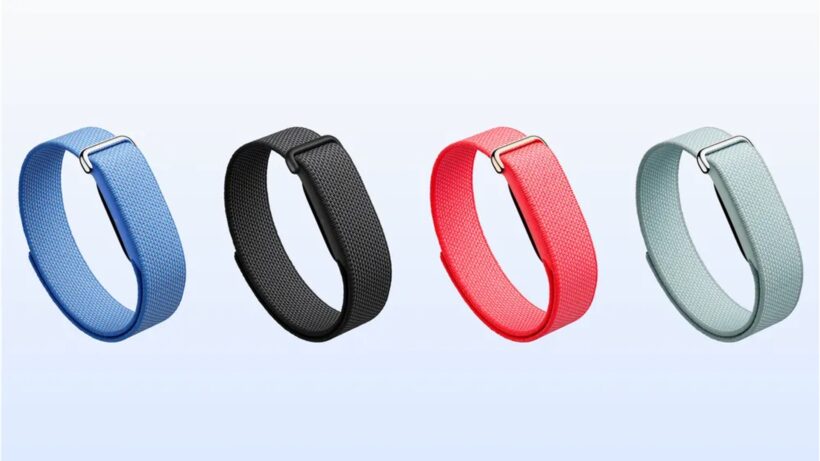
The wearable technology market has spent years moving toward bigger screens, more apps, and nonstop notifications. Smartwatches became powerful devices that could answer calls, reply to messages, track workouts, and even replace smartphones in some situations.
But now, many users are starting to feel overwhelmed by all that technology. That is exactly why the Fitbit Air feels different.
Instead of trying to do everything, the Fitbit Air focuses on simplicity. It quietly tracks health and fitness data without constantly demanding attention. In many ways, Google’s latest device proves that less technology can actually create a better experience.
A Fitness Tracker Without Distractions
One of the biggest reasons people are talking about the Fitbit Air is its screenless design.
Unlike traditional smartwatches, the Fitbit Air does not show:
- Text messages
- Social media notifications
- Emails
- App alerts
This may sound unusual in today’s tech world, but it solves a growing problem. Many people are tired of checking screens all day long. Smartwatches often add more distractions instead of reducing them.
The Fitbit Air keeps things simple by focusing only on health tracking.
Fitbit Air Features That Actually Matter
Google designed the Fitbit Air for users who care more about wellness than smartwatch apps.
The tracker includes:
- Heart rate monitoring
- Sleep tracking
- Workout detection
- Recovery tracking
- Blood oxygen monitoring
- Stress insights
The device also works with the Google Health app, where users can view their health reports and activity history.
Because there is no large display, the Fitbit Air is lightweight, comfortable, and easy to wear throughout the day and night.
Fitbit Air vs Smartwatch
Many users are now comparing simple fitness trackers with traditional smartwatches.
| Feature | Fitbit Air | Smartwatch |
|---|---|---|
| Screen | No | Yes |
| Notifications | No | Yes |
| Battery Life | Up to 7 Days | 1-2 Days |
| Main Purpose | Health Tracking | Multiple Functions |
| Distraction Level | Low | High |
| Comfort | Lightweight | Heavier |
This comparison clearly shows why screenless fitness trackers are becoming popular again.
Better Battery Life and Simpler Experience
Battery life is another area where the Fitbit Air performs well. Google says the tracker can last up to seven days on a single charge.
For many users, that alone is a major advantage over smartwatches that require charging almost daily.
The simple experience also feels more natural. Users can wear the tracker continuously without constantly interacting with it. The device quietly collects health data in the background while users focus on daily life.
Why People Want Simpler Technology
Over the last few years, digital fatigue has become a real issue. Many people are trying to reduce screen time and avoid unnecessary notifications.
That shift is changing how consumers think about wearable technology.
Instead of asking for more features, users now want:
- Less distraction
- Better comfort
- Longer battery life
- Useful health insights
- Simpler daily experiences
The Fitbit Air matches those needs perfectly.
Final Thoughts
The Fitbit Air is not trying to compete directly with advanced smartwatches or professional athlete trackers. Instead, it focuses on delivering a simple and useful fitness tracking experience.
Google seems to understand that many users no longer want another screen attached to their wrist. They simply want a wearable device that helps improve health quietly and efficiently.
That is exactly why the Fitbit Air proves less technology can sometimes be better technology.