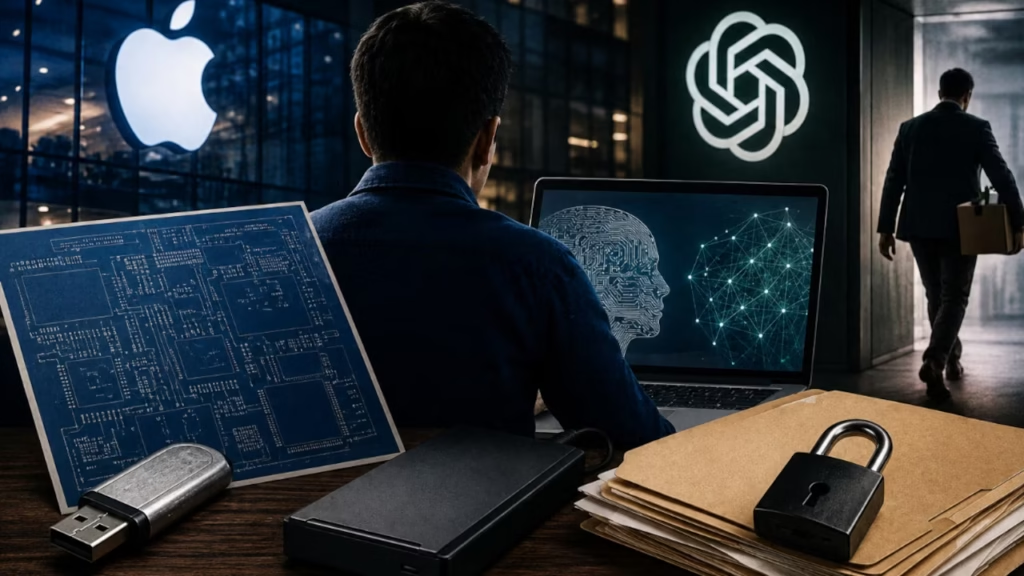
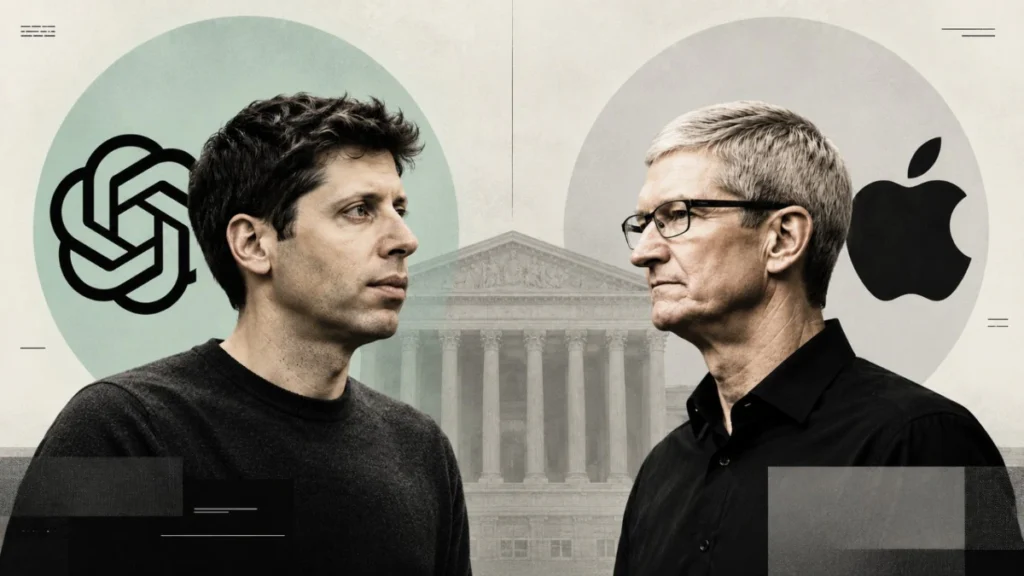
The OpenAI Apple trade secret lawsuit has taken another turn, with both companies blaming each other as the legal fight grows. Apple sued OpenAI in July, claiming that confidential company information was taken by former Apple employees who later joined OpenAI.
Now, Apple says a former employee may have helped destroy evidence connected to the case. OpenAI, however, says Apple created the situation itself and is using the lawsuit to make it harder for OpenAI to hire talented engineers.
The dispute highlights how quickly the relationship between the two companies has changed.
Apple Claims Confidential Information Was Misused
According to Apple’s recent court filing, its forensic review of a MacBook used by Chang Liu found a confidential Apple circuit schematic. Liu is an OpenAI technical staff member and previously worked at Apple.
Apple claims Liu learned that the company had started an internal investigation and then sent instructions to an OpenAI colleague about destroying evidence. Apple says this shows that confidential information may have been used at OpenAI and that evidence could have been removed.
The company is asking the court for expedited discovery so it can investigate the matter more quickly.
Apple has also accused OpenAI Chief Hardware Officer Tang Tan, another former Apple employee, of taking confidential information.
OpenAI Rejects Apple’s Claims
OpenAI strongly disputes Apple’s accusations. The company says the lawsuit has little merit and argues that Apple is trying to slow down its hiring efforts and development of competing technology.
OpenAI says materials associated with Tang were personal or non-confidential. It also claims that some items mentioned by Apple were old or publicly available engineering materials that could be used during interviews.
OpenAI further pointed out that Apple employees contacted Liu after he left the company to ask for help finding files they still needed.
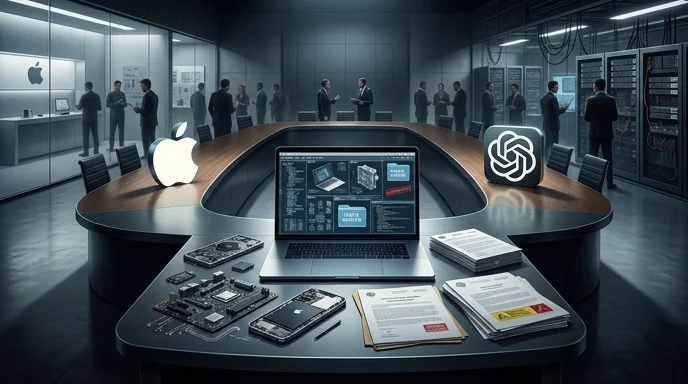
Apple vs OpenAI: Key Differences
| Apple’s Position | OpenAI’s Position |
|---|---|
| Confidential information was taken | The materials were personal or non-confidential |
| Evidence may have been destroyed | Apple created the dispute itself |
| Former employees misused company information | Apple is trying to hurt OpenAI’s hiring |
| OpenAI benefited from Apple’s confidential material | The lawsuit is without merit |
A Relationship That Has Changed
The OpenAI Apple trade secret lawsuit is especially notable because the two companies were once partners. In 2024, Apple and OpenAI agreed to integrate ChatGPT with Apple’s Siri experience.
That relationship has changed significantly. Apple’s newer AI strategy now involves Google’s Gemini technology, while OpenAI is developing AI-powered devices that could eventually compete directly with Apple’s products.
This makes the legal battle more than just a dispute about former employees. It also reflects the growing competition in the AI hardware and software market.
What Happens Next?
OpenAI previously asked a judge to dismiss Apple’s lawsuit. The latest claims could now lead to a deeper examination of employee devices, files and communications.
For Apple, protecting trade secrets is critical as it develops new AI products. For OpenAI, defending its hiring practices and technology is equally important.
The case could become an important test for how technology companies handle confidential information when employees move between major competitors. It also shows that the partnership between Apple and OpenAI has entered a very different phase.