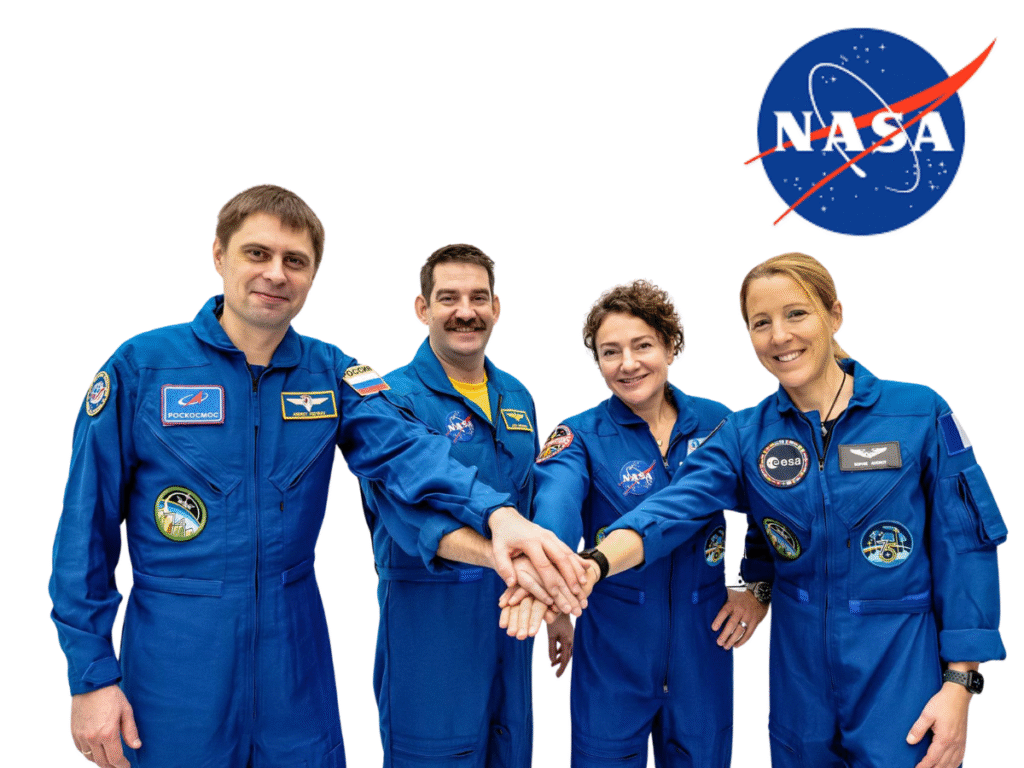
The successful launch of the Crew-12 mission by SpaceX marks another major step forward in space-based research. The mission sent four astronauts to the International Space Station for an extended eight-month stay, creating new opportunities for scientific discovery in microgravity. More than just a routine launch, Crew-12 strengthens the role of the ISS as a global research laboratory.
A Reliable Launch for Long-Term Science
Crew-12 lifted off from Cape Canaveral Space Force Station aboard a Falcon 9 rocket in the early hours of the morning. The rocket performed exactly as planned, delivering the Crew Dragon spacecraft, named Freedom, safely into orbit. Shortly after launch, the reusable booster returned to Earth and landed successfully, showing once again how dependable modern launch systems have become.
This reliability is important for ISS research. Scientists depend on consistent crew rotations to ensure experiments are started, maintained, and completed without interruption. Crew-12 helps keep this scientific rhythm intact.
An International Team With Diverse Skills
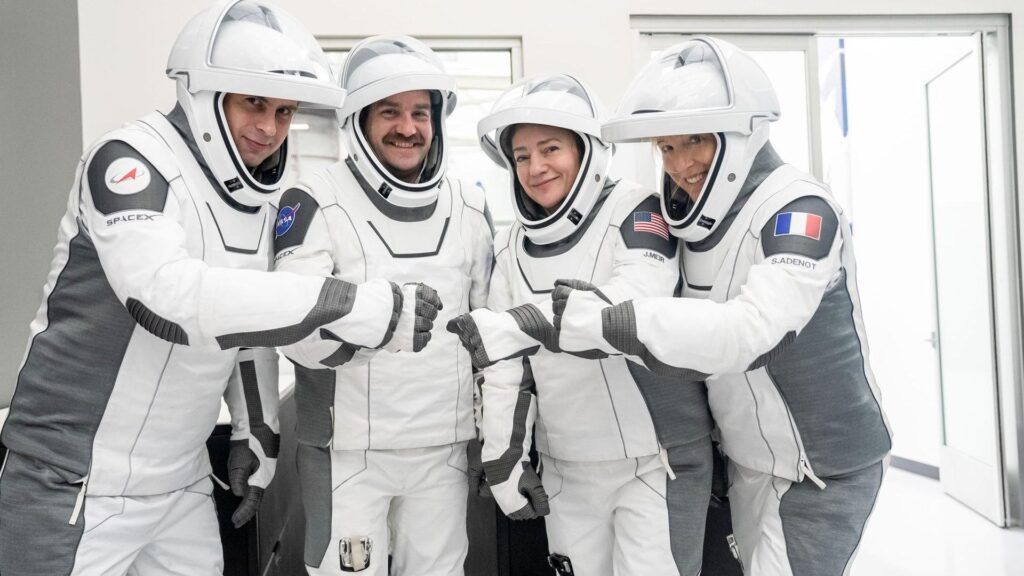
The Crew-12 mission is led by NASA astronaut Jessica Meir, a veteran astronaut and marine biologist on her second visit to the space station. She is joined by Jack Hathaway, a former U.S. Navy fighter pilot making his first spaceflight. The crew also includes European Space Agency astronaut Sophie Adenot from France and Russian cosmonaut Andrey Fedyaev, who is on his second ISS mission.
This mix of experience and backgrounds supports complex research work. Each astronaut brings unique training that helps manage experiments, station systems, and daily operations in orbit.
Research That Benefits Life on Earth
One of the main reasons the Crew-12 launch is important lies in its research goals. During their stay, the crew will study bacteria that cause pneumonia, observing how these organisms behave in microgravity. The findings could lead to better treatments and improved infection control on Earth.
Another key focus is plant research. Crew-12 will examine how plants interact with nitrogen-fixing microbes in space. These studies are essential for developing sustainable food systems, especially for long-duration missions where resupply from Earth is limited.
Crew-12 Research Compared to Earlier Missions
| Research Area | Crew-12 Mission | Earlier ISS Missions |
|---|---|---|
| Mission Duration | 8 months | About 6 months |
| Medical Studies | Advanced bacteria behavior | Basic health monitoring |
| Plant Research | Microbe and plant interaction | Simple growth tests |
| Technology Use | Long-term system testing | Short-term trials |
This longer mission duration allows experiments to run for extended periods, producing more accurate and useful data.
Preparing for Future Space Exploration
Many Crew-12 experiments directly support NASA’s future exploration plans, including missions to the Moon and Mars. Understanding how the human body, plants, and technology perform in space for long periods is critical before astronauts travel farther from Earth.
The ISS remains the best place to test these systems safely. NASA has committed to operating the station until 2030, making missions like Crew-12 essential building blocks for what comes next.
A Mission That Moves Research Forward
The SpaceX Crew-12 launch is important because it keeps scientific progress moving. It ensures continuity aboard the ISS, expands the scope of experiments, and strengthens international cooperation. Beyond the launch itself, Crew-12 represents steady progress toward a future where space research supports exploration while delivering real benefits back on Earth.