Cloud gaming has been around for years, but it has never felt truly necessary—until now. Rising hardware prices, expensive upgrades, and changing platform strategies are pushing the gaming industry in a new direction. By 2026, cloud gaming may no longer be a secondary option. It could become the default choice for millions of players worldwide.
The main reason is cost. Building or upgrading a gaming PC has become painfully expensive. GPUs are still costly, RAM prices are climbing fast, and even entry-level components are no longer affordable for many gamers. For players who just want to play the latest games smoothly, owning powerful hardware is starting to feel like a luxury rather than a standard.
Rising Hardware Costs Are Changing Gamer Behavior
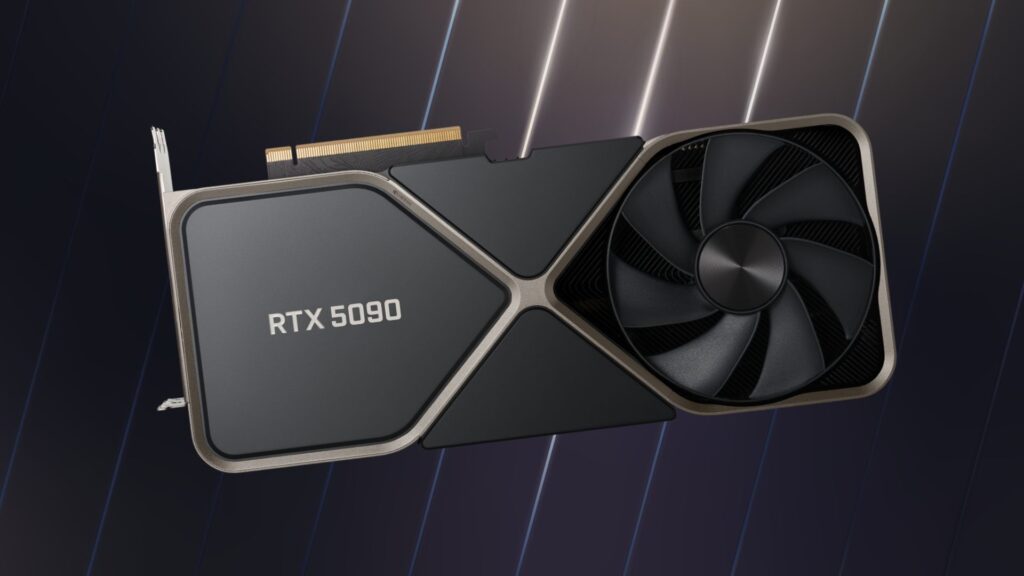
Modern games demand more from hardware every year. More RAM, faster storage, and better graphics cards are no longer optional. At the same time, shortages and high demand from industries like AI have pushed prices higher.
For many players, upgrading no longer feels worth it. Spending a large amount on hardware that may be outdated in a few years is a tough decision. Cloud gaming removes this pressure by shifting the hardware responsibility to service providers.
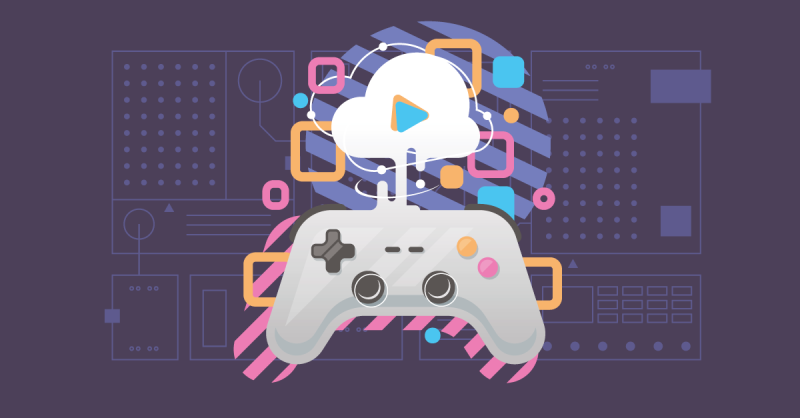
Instead of upgrading your PC, you stream games from powerful remote servers. This allows players to access high-end performance on basic devices such as laptops, tablets, or even smartphones.
Why Publishers and Platforms Prefer the Cloud
Game publishers also benefit from cloud gaming. It reduces piracy, simplifies updates, and allows better control over distribution. Subscription-based models bring predictable revenue, which is attractive for large studios.
Platform holders are adjusting their strategies as well. Many are focusing less on selling consoles and more on building ecosystems. Cloud gaming fits perfectly into this plan by keeping players locked into platforms across multiple devices.
If you’ve read our guide on the future of digital gaming platforms, you’ll notice a clear pattern toward services instead of ownership.
Cloud Gaming vs Traditional Gaming
| Feature | Cloud Gaming | Traditional Gaming |
|---|---|---|
| Hardware Cost | Very Low | Very High |
| Upgrades | Handled by provider | Paid by user |
| Game Access | Subscription-based | Individual purchases |
| Portability | High | Limited |
| Internet Dependency | Required | Optional |
This comparison shows why cloud gaming is becoming more appealing, especially for casual and mid-core gamers.
What 2026 Could Look Like for Gamers
By 2026, cloud gaming may be the easiest way to play new releases. Players may not even ask whether a game supports cloud streaming—it will simply be expected. While hardcore enthusiasts may still prefer physical hardware, the average gamer will likely choose convenience over control.
Cloud gaming isn’t perfect, but rising costs are making it unavoidable. Whether players like it or not, the industry has already made its move.