Meta Description:
Measles cases are rising in South Carolina, leading to quarantines and classroom disruptions. Learn simple steps families can take to stay informed and protected during the ongoing measles spike.
The recent measles spike in South Carolina has created concern among families, schools, and health officials. With new cases appearing quickly after holiday gatherings, many parents are now trying to understand what this outbreak means for their households. This simple guide explains the situation, the symptoms to watch for, and the steps families can take to stay safe.
Why Measles Cases Are Rising
Health officials have reported 111 measles cases across Greenville, Spartanburg, and surrounding areas. The virus has spread rapidly, with 27 new cases confirmed in just a few days. According to experts, the main reasons behind this spike include:
- Increased holiday travel
- Large gatherings
- Low vaccination rates in school communities
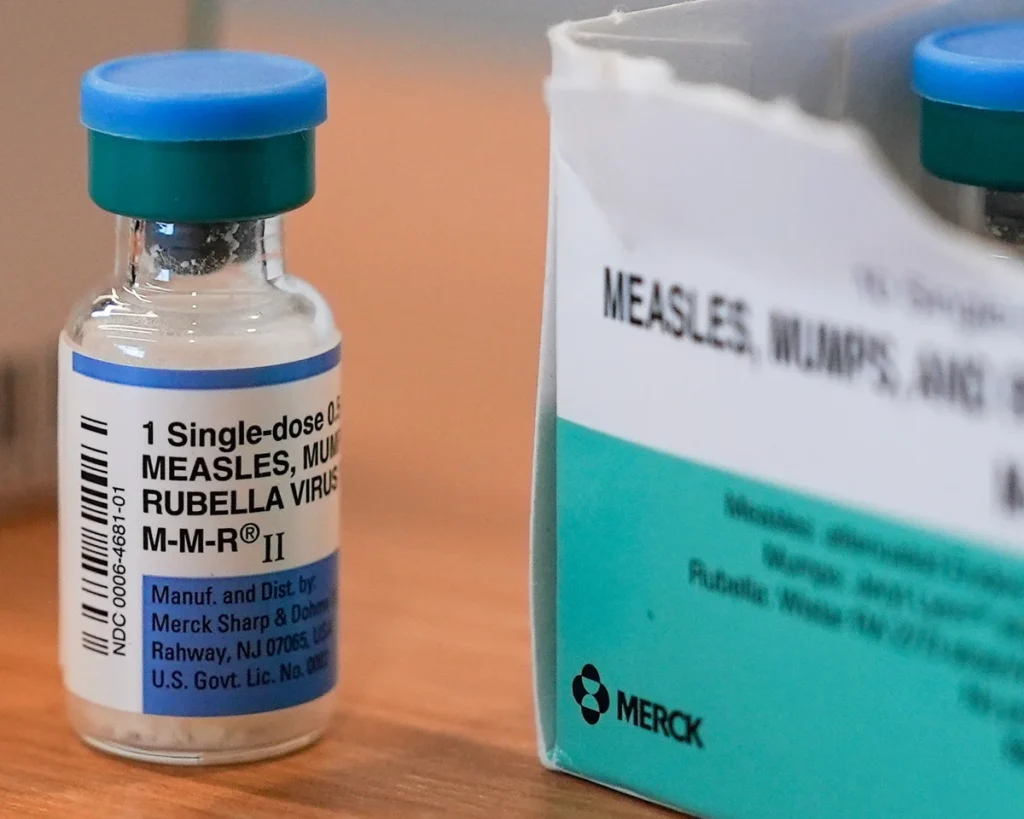
In Spartanburg County, only 90% of students received the MMR vaccine. This is below the recommended 95% coverage needed to prevent large outbreaks.
How the Outbreak Impacts Students
Because measles is extremely contagious and can stay in the air for hours, unvaccinated students face the highest risk. Right now, 254 people are in a mandatory 21-day quarantine after possible exposure.
Some children who are not vaccinated have already completed one quarantine earlier this school year and are now undergoing a second round of 21 days, resulting in up to 42 days of missed classes. This affects not only learning but also emotional and social development.
Vaccination and Quarantine: A Simple Comparison
Here is an easy table to help families understand the difference in risks between vaccinated and unvaccinated children:
| Factor | Vaccinated Child | Unvaccinated Child |
|---|---|---|
| Chance of Infection | Very low | Very high after exposure |
| Protection Level | About 97% | Almost none |
| Quarantine Needed? | Usually not | Mandatory 21 days |
| Risk of Hospitalization | Low | Higher (11–12% of cases) |
| Risk of Spreading Measles | Very low | High |
Symptoms Parents Should Watch For
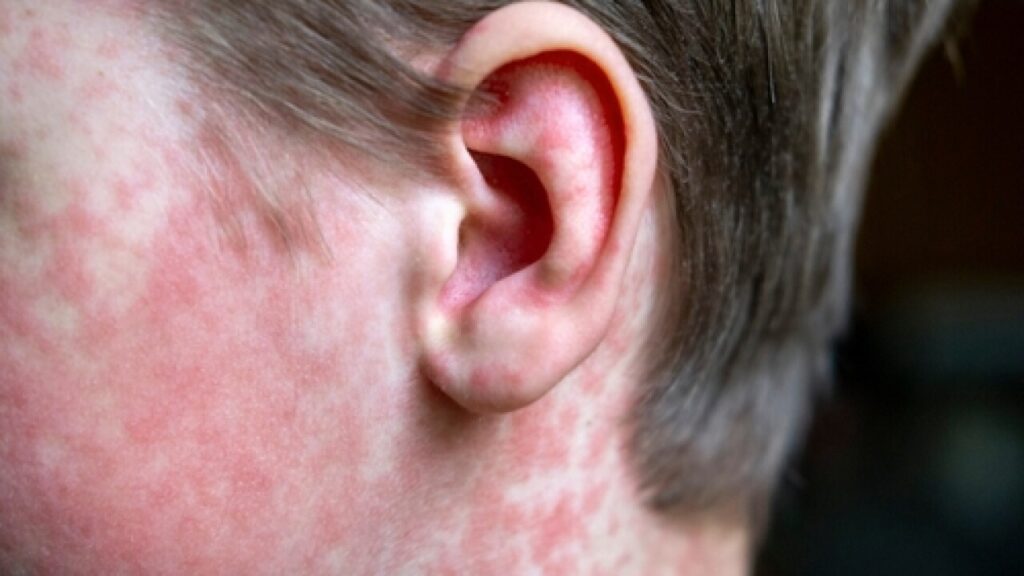
Symptoms usually appear 7–21 days after exposure. Families should look out for:
- High fever, sometimes over 104°F
- Runny nose and persistent cough
- Red, watery eyes
- Tiny white spots inside the mouth
- A rash starting at the scalp and spreading downward
Measles can be serious. This year, the U.S. has already recorded three deaths, including two young girls.
Simple Steps for Families to Stay Safe
Parents don’t need complicated instructions—just clear, practical steps:
1. Check your child’s vaccination status
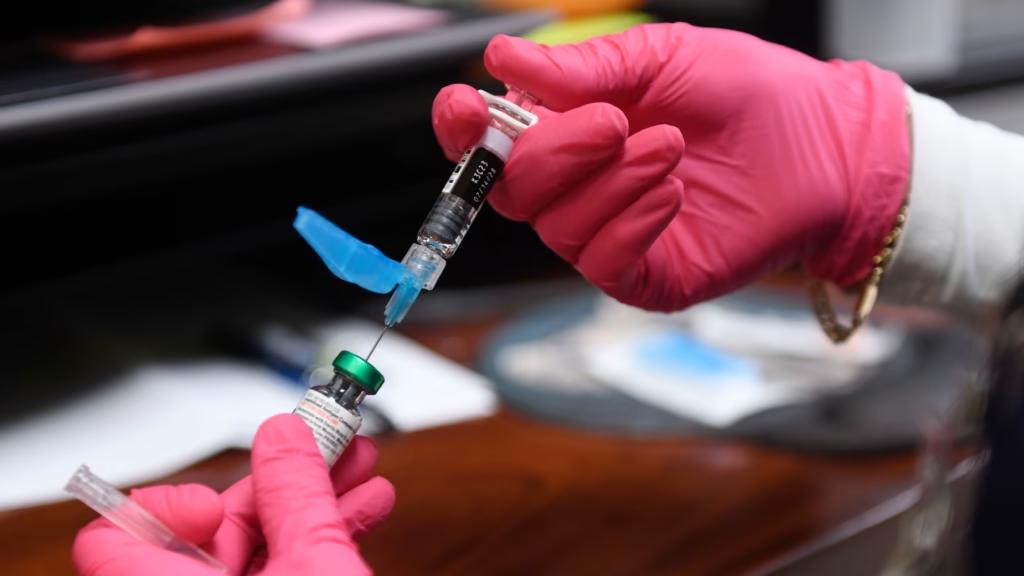
Make sure both MMR doses are completed. This remains the best protection.
2. Watch for early symptoms
If your child develops fever or rash, keep them home and monitor their condition.
3. Reduce exposure if possible
Limit contact with large gatherings during active outbreaks.
4. Follow school health updates
Schools will notify families if exposure has occurred. Take quarantine instructions seriously.
5. Keep communication open
Talk with children about hygiene, symptoms, and why safety steps matter.
Final Thoughts
The South Carolina measles spike shows how quickly a preventable illness can spread when vaccination rates fall. With simple precautions, clear information, and timely action, families can help protect their children and reduce further spread in the community.