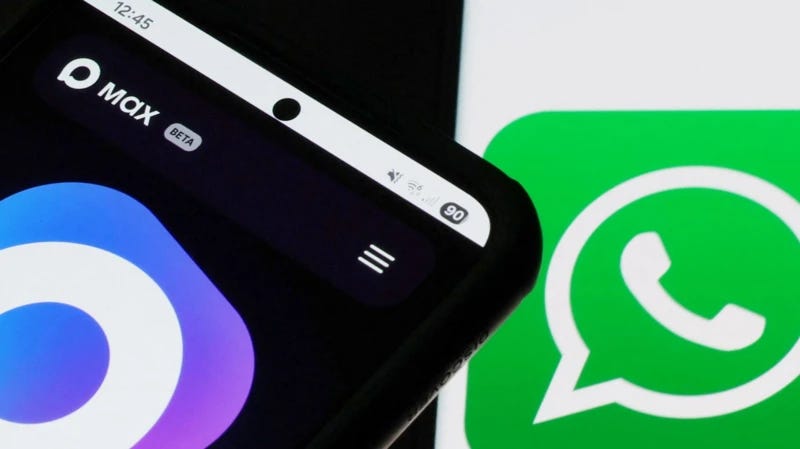
Russia’s digital landscape is changing fast. With WhatsApp blocked across the country and other global platforms under pressure, the government is actively promoting a state-backed app called MAX. This shift is not just about replacing one messaging service with another. It signals the beginning of a new internet era in Russia, where communication, data, and daily services are increasingly controlled by the state.
The WhatsApp ban was officially justified on legal grounds. Russian internet laws require messaging platforms to store user data and message records within the country and make them available to government agencies when requested. WhatsApp, which uses strong end-to-end encryption, does not provide such access. As a result, authorities said the app failed to comply with national rules.
WhatsApp criticized the move, warning that blocking secure messaging services makes users less safe and reduces privacy. Despite the ban, many people inside Russia are still accessing the app through VPN services, which remain legal but are becoming more common due to growing restrictions.
A Shift Away From Global Platforms
WhatsApp is not the first global platform to be restricted in Russia. Over the past few years, services like Instagram, Facebook, and X have also been blocked. Telegram has faced new limitations as well, with regulators accusing it of failing to protect user data.
These actions show a clear pattern. Foreign platforms are being pushed out, while local and state-supported alternatives are being promoted. This approach allows authorities to maintain tighter control over digital communication and online information.
MAX: More Than Just a Messaging App

MAX was launched in 2025 with full government backing. It is designed as a multifunction app that combines messaging, digital payments, and access to government services. Users can book medical appointments, access municipal services, and manage everyday tasks from one platform.
To speed up adoption, the government ordered MAX to be pre-installed on all new digital devices sold in Russia. This makes it difficult for users to avoid the app, even if they have privacy concerns.
According to its policies, MAX can share user data with authorities when legally required. While the company says data is shared only after proper legal review, many users worry that the app enables constant monitoring.
WhatsApp vs MAX: A New Digital Reality
| Feature | MAX App | |
|---|---|---|
| Ownership | Private company | State-backed |
| Encryption | End-to-end encryption | Not clearly defined |
| Data Sharing | Minimal | Allowed on request |
| Extra Services | Messaging and calls | Messaging + government services |
| User Privacy | High | Limited trust |
What This New Internet Era Means
Russia’s push for MAX represents a deeper transformation of the internet inside the country. Messaging apps are no longer just tools for communication. They are becoming gateways to government services and potential points of surveillance.
For everyday users, this raises important questions about privacy, freedom of expression, and trust. While officials present MAX as a convenient and secure solution, critics argue that true privacy is difficult to achieve on state-controlled platforms.
Other countries have explored similar ideas but stepped back after public opposition. Russia, however, appears determined to move forward with a tightly managed digital environment.
As MAX becomes more central to daily life, Russia’s internet is entering a new era, one defined less by open platforms and more by control, compliance, and close oversight of online communication.