Meta Description
Rec Room shutting down after 10 years raises questions about its business model. Learn what led to the fall of this once $3.5B gaming platform.
Rec Room Shutting Down: End of a Decade-Long Journey
The news of Rec Room shutting down marks the end of a platform that defined social gaming for many users. After 10 years of growth, creativity, and community building, the company has announced it will shut down operations on June 1.
Rec Room gained popularity by offering a space where users could create games, explore virtual worlds, and interact with friends. Its availability across mobile devices, PCs, consoles, and VR headsets helped it reach a massive audience of over 150 million players.
What Led to Rec Room Shutting Down
The main reason behind Rec Room shutting down is the company’s struggle to achieve profitability. Even though the platform was widely used, it could not turn that success into steady revenue.
Here are the key factors that led to its fall:
- High operating and development costs
- Investment in costly AI tools
- Low earnings from user-generated content
- Changing trends in the gaming and VR market
The company admitted that its expenses consistently exceeded its income, making long-term survival difficult.
Growth Without Sustainable Revenue
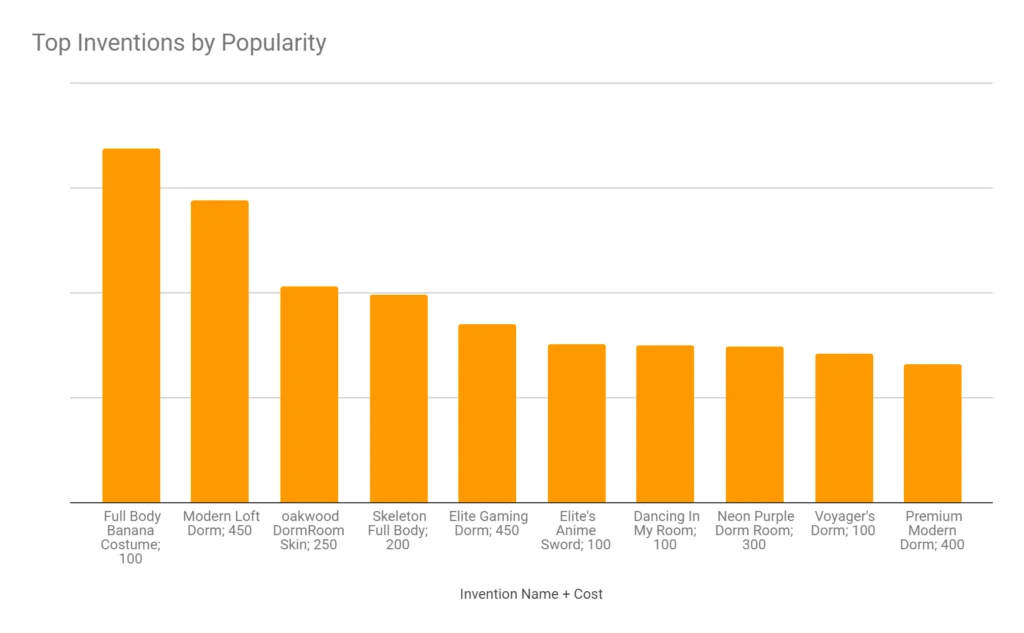
Rec Room experienced rapid growth, especially during the pandemic. More users joined the platform as virtual interaction became more important. However, this growth did not result in strong financial returns.
A major part of the problem was its creator-driven model. While users created and sold content, the company only kept a small share of the revenue. This limited its ability to scale profits.
Comparison: Vision vs Reality
| Aspect | Initial Vision | Real Outcome |
|---|---|---|
| User Engagement | High engagement = high revenue | High engagement, low monetization |
| AI Features | Drive innovation and growth | Increased costs without strong returns |
| Creator Economy | Self-sustaining ecosystem | Low profit margins |
| Market Trends | Expanding gaming industry | Slower growth and uncertainty |
This gap between vision and reality played a major role in the platform’s shutdown.
Efforts to Stay Afloat
Before deciding on Rec Room shutting down, the company tried several measures to control costs. In 2025, it reduced its workforce significantly through layoffs. It also limited spending and focused on becoming self-sustaining.
Despite these efforts, the financial challenges remained. The company eventually decided to shut down operations while it still had the ability to manage the process properly.
The Role of Market Changes
The gaming industry has changed in recent years. After a period of rapid growth, the market slowed down. At the same time, the VR segment faced challenges, making it harder for platforms like Rec Room to expand and generate revenue.
These external factors added pressure to an already struggling business model.
Final Thoughts on Rec Room Shutting Down
The story of Rec Room shutting down is a clear example of how growth alone is not enough. Even a platform with millions of users and strong investor support can fail without a solid path to profitability.
Rec Room created a unique space for creativity and connection, but its financial model could not keep up with its ambitions. Its shutdown serves as an important lesson for the gaming industry about balancing innovation with sustainable revenue.