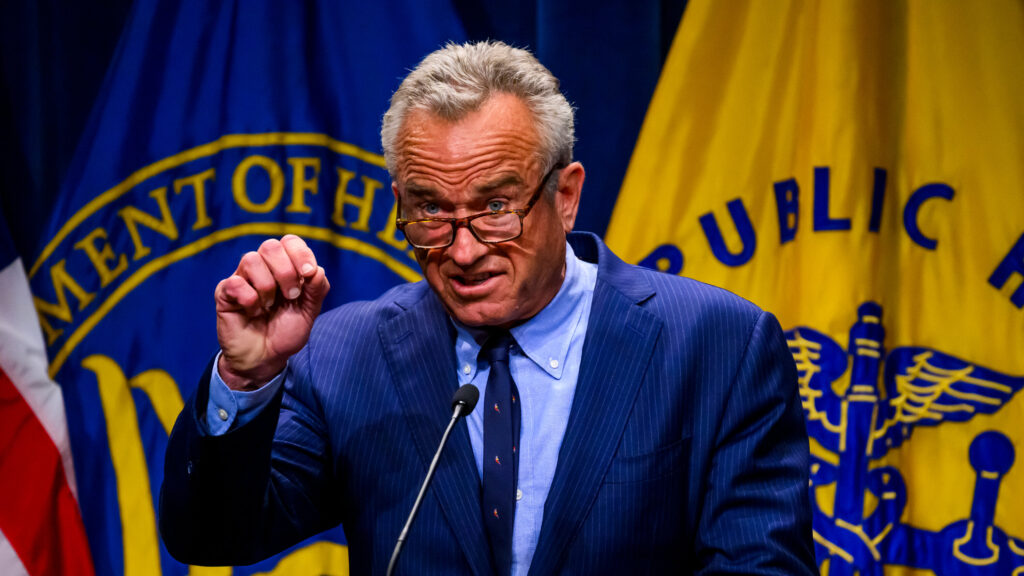
A newly formed CDC vaccine advisory panel has put childhood immunization standards back under the spotlight, reopening some of the most intense debates in public health. With long-used vaccine guidelines now up for fresh review, pediatricians, parents, and medical organizations are closely watching what could become the most significant shift in childhood vaccination policy in years.
Why the New Panel Is Reviewing Existing Guidelines
The CDC’s Advisory Committee on Immunization Practices (ACIP) shapes the vaccine schedule that pediatricians follow nationwide. These guidelines determine when children receive protection against diseases like measles, polio, hepatitis B, and whooping cough.
However, this year’s newly restructured panel has chosen to revisit several foundational recommendations. Supporters say this review is meant to improve transparency and update policies with the latest data. Critics argue the process appears rushed and may undermine long-standing, evidence-backed protections.
The Spotlight on the Hepatitis B Newborn Dose

The most talked-about issue is the hepatitis B vaccine given within the first 24 hours of birth. For decades, this shot has been a universal requirement because babies exposed to the virus face nearly a 90% risk of developing lifelong infection.
Some members of the new panel believe that stronger screening of pregnant mothers could reduce the need for universal newborn vaccination. They suggest delaying the shot or requiring an extended discussion between doctors and parents before administering it.
Pediatricians strongly disagree, warning that screening is not perfect and many infections are discovered too late. They caution that removing or delaying the birth dose could result in preventable chronic liver disease and increased long-term healthcare costs.
Comparison Table: Universal Newborn Dose vs Delayed Dose
| Criteria | Universal Newborn Hepatitis B Dose | Delayed / Selective Dose |
|---|---|---|
| Protection | Immediate and comprehensive | Dependent on accurate screening |
| Risk of missed infections | Very low | Higher due to undiagnosed carriers |
| Practicality | Simple and consistent | More complex, more parental confusion |
| Public Health Impact | Lower long-term disease burden | Higher risk of chronic infections |
Revisiting Other Core Childhood Vaccines

Along with hepatitis B, the panel is also reviewing:
- MMR vaccine timing and dosing
- Whether combined vaccines should be split into individual shots
- The role of aluminum-based ingredients that boost immune response
While these ingredients have been used safely for decades, some panel members want deeper evaluation. Pediatricians warn that removing or altering them without proven alternatives could weaken vaccine effectiveness.
Why the Debate Matters
Public health experts emphasize that changes to childhood immunization standards must be guided by strong, consistent evidence—not pressure or public sentiment. With vaccination rates already declining and outbreaks resurging, any shift in policy could influence national health outcomes for years to come.
For parents, the most important step is staying informed, asking questions, and relying on trusted medical guidance. While discussions continue, doctors stress that the current immunization schedule has repeatedly proven safe, effective, and essential for protecting children from preventable diseases.