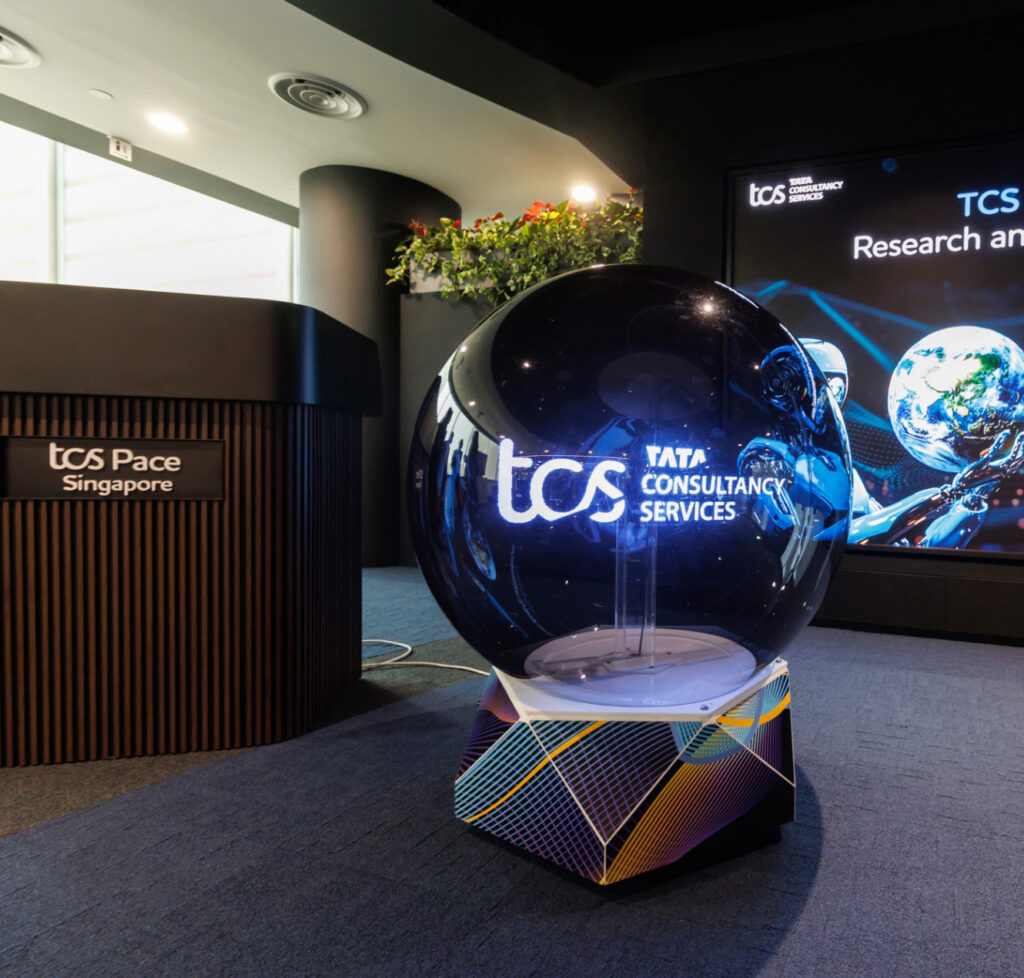
The manufacturing sector is rapidly evolving as companies adopt digital technologies to improve productivity and efficiency. Artificial intelligence is now becoming a key part of modern factories. To support this shift, TCS and Google Cloud are driving smart manufacturing with AI Innovation Centre designed to help manufacturers explore and implement intelligent production solutions.
The new centre will allow companies to test advanced technologies before deploying them across their factory operations. By bringing together engineering expertise and cloud-based AI capabilities, the initiative aims to accelerate the transformation of traditional factories into smart manufacturing environments.
AI Innovation Centre Supporting Digital Manufacturing
The AI Innovation Centre for smart manufacturing provides a collaborative space where manufacturers can experiment with new technologies and develop innovative solutions. The facility is part of TCS’ global Gemini Experience Center network and focuses on helping businesses adopt data-driven production systems.
Companies visiting the centre will be able to design, test, and scale intelligent manufacturing applications. This process helps organisations understand how artificial intelligence can improve different aspects of factory operations.
Some key solutions that manufacturers can explore include:
- Predictive maintenance for machines and equipment
- Digital twin technology for virtual factory simulation
- Robotics integration to automate production processes
- Intelligent automation using artificial intelligence tools
These technologies help factories reduce machine downtime, improve operational efficiency, and maintain consistent production quality.
How The Partnership Between TCS and Google Cloud Works
The collaboration combines TCS’ strong experience in engineering and manufacturing with Google Cloud’s advanced artificial intelligence and data analytics capabilities. This powerful combination allows companies to build innovative solutions for modern industrial environments.
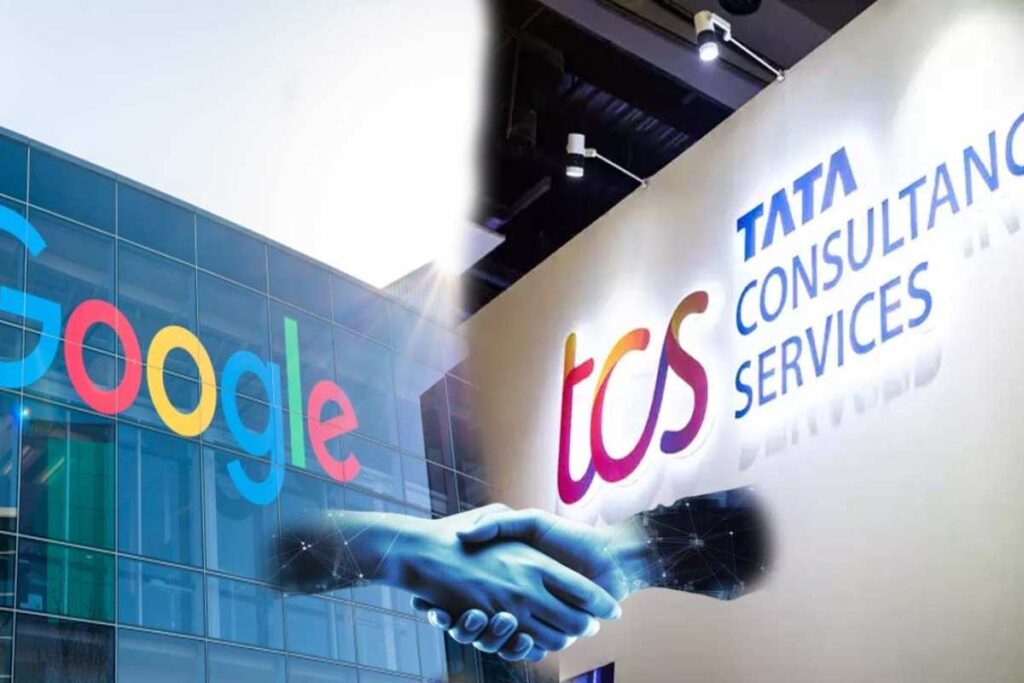
Through the AI Innovation Centre, manufacturers can work with technology experts to experiment with new tools and evaluate their impact. Once successful, these solutions can be implemented across factory systems to improve productivity and operational performance.
Traditional Factories vs Smart Manufacturing
| Feature | Traditional Factories | Smart Manufacturing |
|---|---|---|
| Machine Monitoring | Manual checks | AI-based monitoring |
| Production Planning | Limited automation | Data-driven automation |
| Quality Inspection | Human inspection | AI-powered quality control |
| Efficiency | Reactive processes | Predictive and optimized processes |
Smart manufacturing systems use real-time data and artificial intelligence to improve decision-making and streamline factory operations.
Preparing The Workforce For Smart Factory Technologies
The transition toward smart manufacturing also requires employees to develop new digital skills. The AI Innovation Centre will play an important role in helping organisations train their workforce to manage modern production technologies.
Employees can gain hands-on experience with artificial intelligence tools, automation systems, and digital manufacturing platforms. This training helps companies prepare their workforce for the future of industrial operations.
By focusing on skill development, manufacturers can ensure that employees are ready to work in technology-driven factory environments.
The Future Of Smart Manufacturing
The partnership between TCS and Google Cloud shows how technology companies are supporting the next stage of industrial transformation. Artificial intelligence, cloud computing, and automation are changing the way factories operate.
By launching this AI Innovation Centre, TCS and Google Cloud are helping manufacturers explore new opportunities in smart manufacturing. The initiative will support businesses in building efficient, intelligent, and resilient production systems for the future.
As more organisations adopt digital manufacturing strategies, collaborations like this will play a major role in shaping the future of the global manufacturing industry.