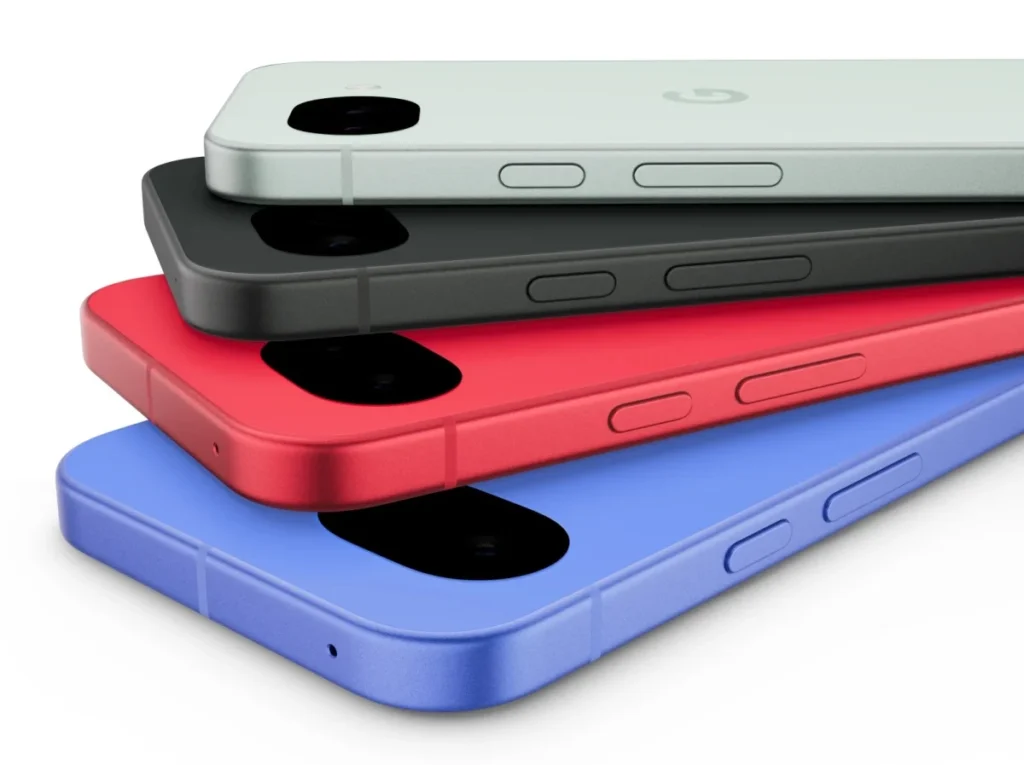
When it comes to choosing a new smartphone, many buyers look for the best balance of features and price. In the Google Pixel 10a vs 9a comparison, both phones are very similar, but a few upgrades in the newer model make the choice a bit clearer. This guide breaks down the key differences simply so you can decide which one gives you more value for your money.
Design and Durability: Subtle but Useful Upgrades
The Pixel 10a and Pixel 9a share almost the same overall design with flat sides and rounded corners. They both feel comfortable in hand and look clean without loud design elements. However, the Pixel 10a brings some small but practical improvements.
The newer model has slightly smaller bezels and a fully flat back panel, giving it a sleeker look. More importantly, the Pixel 10a uses updated glass protection from Corning, making it more resistant to scratches and minor drops. Both phones still offer IP68 water and dust resistance.
These design upgrades, while not huge, make the Pixel 10a feel more refined and durable overall.
Display: Brighter and Easier to Use Outdoors
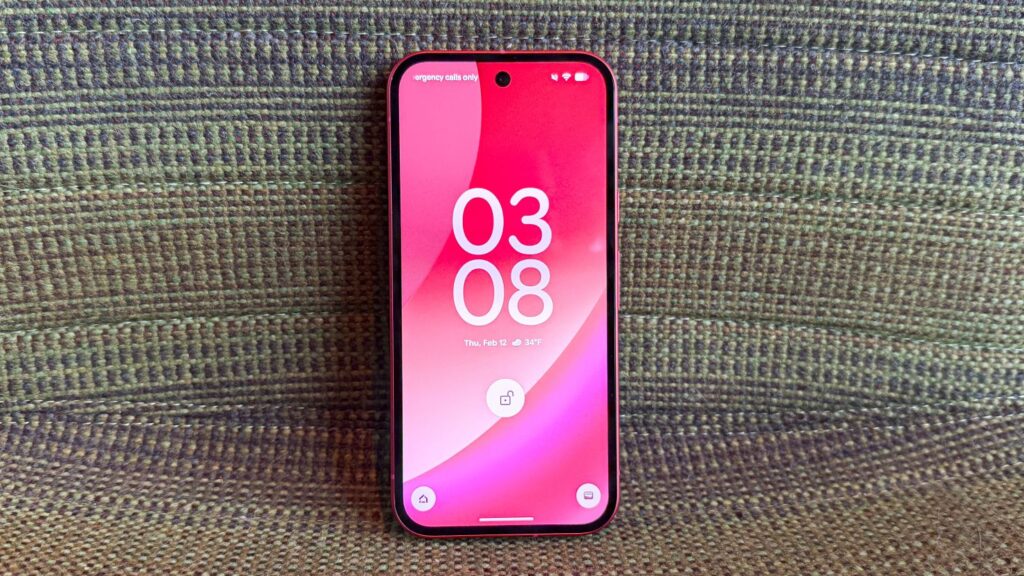
Both the Pixel 10a and 9a come with a 6.3-inch OLED screen and a smooth 120Hz refresh rate. Colors are vivid, and the screen feels responsive on both phones.
The main difference is brightness. The Pixel 10a can get brighter at up to 3000 nits, while the Pixel 9a peaks at 2700 nits. This means the Pixel 10a is easier to read outdoors, especially in bright sunlight.
Performance: Same Power, Same Everyday Speed
When comparing Google Pixel 10a vs 9a performance, there’s no major difference. Both phones use the same Tensor G4 processor and 8GB of RAM. Daily tasks like web browsing, social apps, gaming, and multitasking run smoothly on each device.
Storage options are also the same, with 128GB and 256GB versions available on both phones. Since the core hardware is nearly identical, performance feels the same in real-world use.
Camera: Camera Hardware Stays Identical
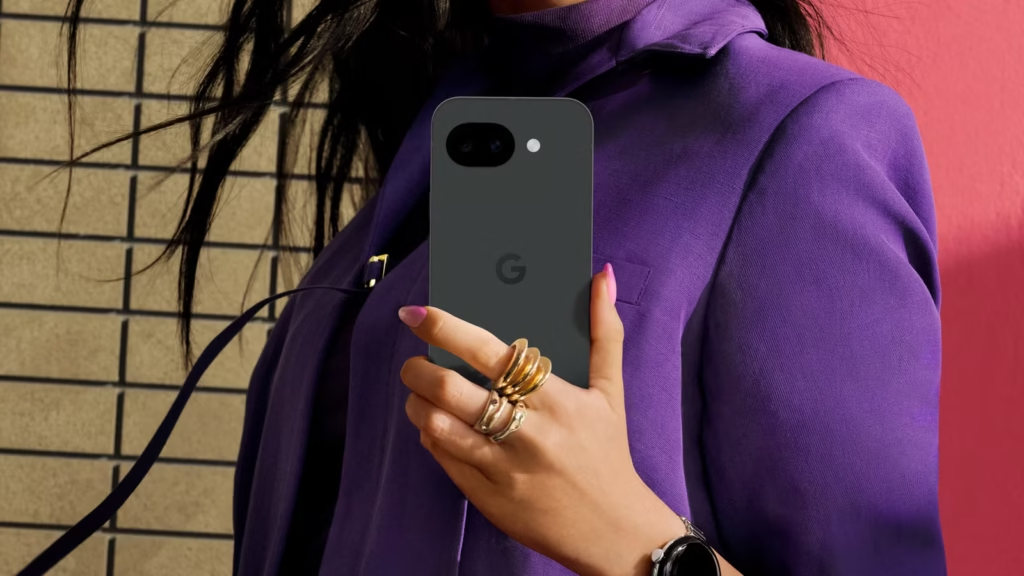
Both devices share the same camera setup: a 48MP main camera with optical image stabilization, a 13MP ultra-wide lens, and a 13MP front camera. Photo and video quality remain strong for both phones.
The Pixel 10a does include a couple of software enhancements, such as AI-guided shooting tips and group photo improvements. While these are nice additions, the overall camera performance stays close to the Pixel 9a’s results.
Pixel 10a vs 9a: Quick Comparison Table
| Feature | Pixel 10a | Pixel 9a |
|---|---|---|
| Processor | Tensor G4 | Tensor G4 |
| Display | 6.3″ OLED (120Hz) | 6.3″ OLED (120Hz) |
| Peak Brightness | 3000 nits | 2700 nits |
| Battery | 5100 mAh | 5100 mAh |
| Charging | Faster (30W wired) | Standard (23W wired) |
| Camera | Same hardware | Same hardware |
| Connectivity | Satellite SOS | No satellite SOS |
Battery and Connectivity: Practical Everyday Features
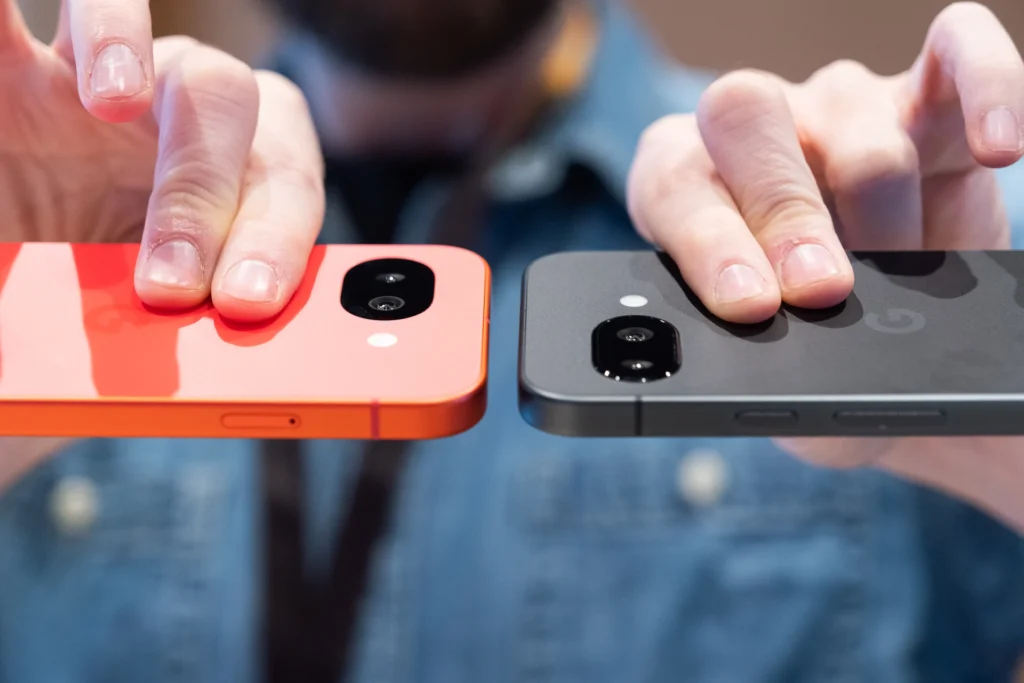
Both phones use the same 5100 mAh battery, so everyday battery life should feel similar. The Pixel 10a, however, supports slightly faster charging speeds, which means less time plugged into a charger.
The standout upgrade is satellite emergency SOS support on the Pixel 10a. This feature lets you send emergency messages even outside normal network coverage, which could be valuable for travelers and outdoor users.
Final Verdict: Which Offers Better Value?
So, which offers better value? If you are buying a new mid-range phone today, the Google Pixel 10a edges ahead thanks to its brighter display, improved durability, faster charging, and satellite emergency support. These small upgrades are practical and add meaningful value, even if the core hardware stays mostly the same.
However, if you already own the Pixel 9a and are happy with its performance, upgrading may not be necessary. The 9a is still a solid phone that continues to deliver strong performance, clean software, and reliable cameras at a good price.
Ultimately, the Pixel 10a offers slightly more value for new buyers, but both phones remain excellent choices in their price range.