
Flu cases are rising faster than expected this year, and doctors across the country are raising concerns. What makes this season different is how early it started and how strongly it is affecting children. Hospitals and pediatric clinics are already seeing a large number of young patients, many with intense symptoms that require close monitoring.
Health experts say this early wave has caught many families off guard. Flu activity usually peaks later in winter, but this year it arrived sooner and spread quickly, especially in school-going children.
Why the Flu Is Spreading So Quickly
One of the main reasons behind the fast spread is close contact. Schools, daycare centers, and indoor activities allow the flu virus to pass easily from one child to another. During colder months, people also spend more time indoors, which increases the risk of infection.
Doctors are also noticing that vaccination status plays a major role. Children who received the flu shot are mostly experiencing milder illness and recovering at home. In contrast, unvaccinated children are more likely to develop severe symptoms and need hospital care. This pattern has been consistent across many regions.
Common Flu Symptoms to Watch For

Most children with the flu show classic symptoms such as high fever, body aches, chills, and extreme tiredness. Parents are also reporting severe headaches and dizziness in many cases. Doctors say dehydration can worsen these symptoms, especially when children are not eating or drinking well.
Some children experience vomiting or diarrhea. These symptoms can be part of the flu, but they may also come from another virus at the same time. If a child has a fever that lasts more than two to three days or appears unusually weak, a doctor should be consulted. You may also refer to our internal article on early flu symptoms in kids for a clearer understanding of warning signs.
Vaccinated vs Unvaccinated Children
Doctors are seeing a clear difference in how children recover from the flu based on vaccination status.
| Factor | Vaccinated Children | Unvaccinated Children |
|---|---|---|
| Symptom severity | Mild to moderate | Often severe |
| Need for hospital care | Rare | More common |
| Recovery time | Faster | Slower |
| Risk of complications | Lower | Higher |
This comparison shows why flu vaccination remains one of the most effective preventive measures.
Treatment Options and Tamiflu Availability
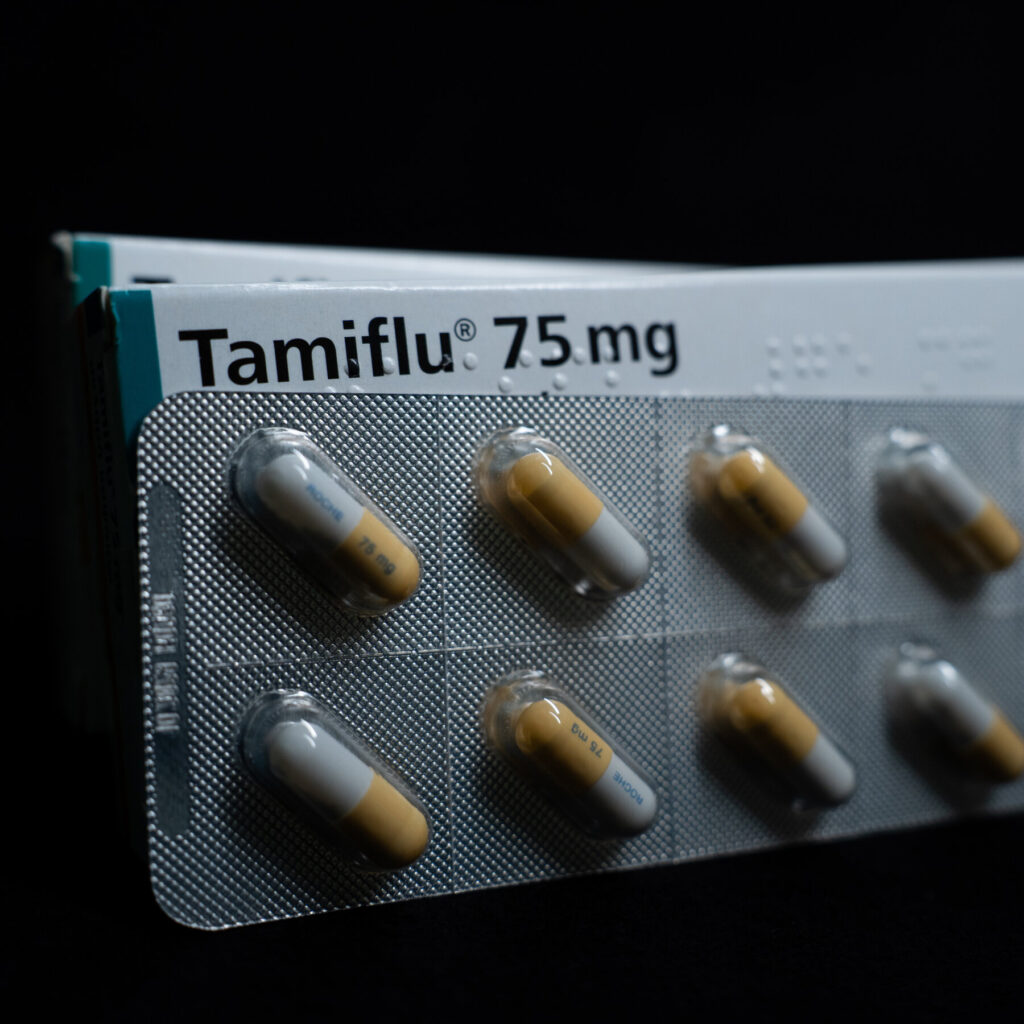
With flu cases increasing, demand for Tamiflu has also gone up. Many pharmacies report high demand, and availability may vary by location. Tamiflu works best when taken within the first 24 to 48 hours after symptoms begin. It can shorten the duration of illness by about one day, but doctors emphasize that it is not a cure.
Tamiflu is generally recommended for high-risk patients, such as young children under two years old or those with chronic medical conditions. You can learn more in our internal guide on flu treatment options and antiviral medicines.
Prevention Is Still the Best Protection
Doctors strongly advise keeping sick children at home, especially if they have an active fever. This helps protect grandparents and older adults, who are at greater risk of serious flu complications.
The most effective way to stay protected is prevention. Annual flu shots for everyone six months and older, regular hand washing, staying hydrated, and getting enough rest can greatly reduce the spread. Flu may be spreading fast this year, but simple steps can help keep families safe and healthy.