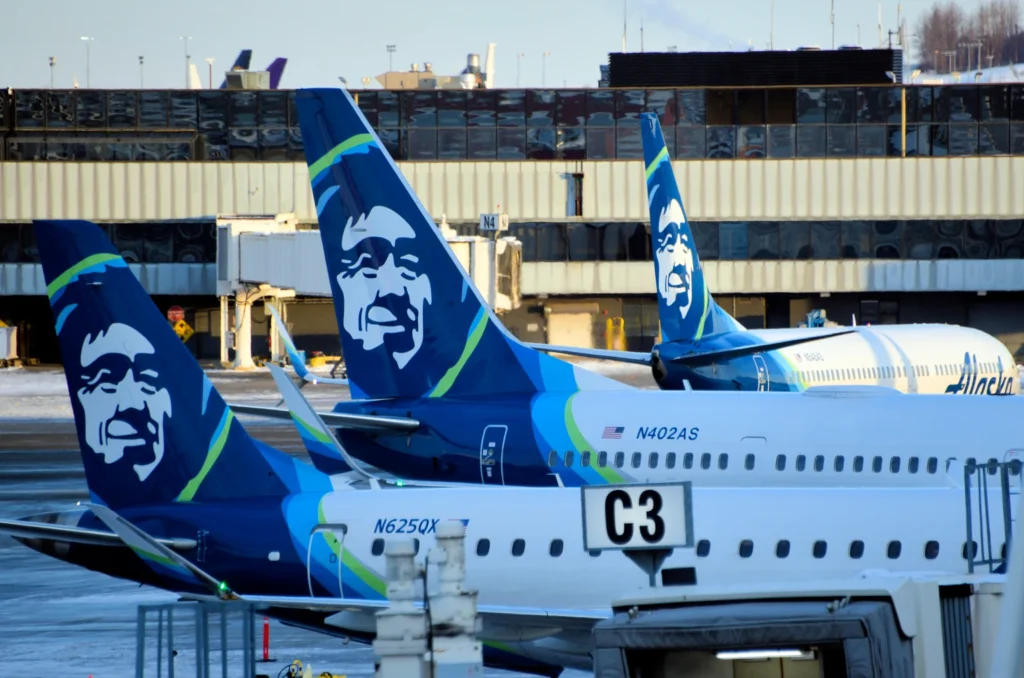
It may come as a surprise to see Alaska Airlines operating an international flight from St. Louis. The airline is strongly linked to the US West Coast and is best known for its hubs in Seattle, Anchorage, and California. St. Louis is far from these core markets, yet Alaska Airlines has found a clear opportunity there.
This move is not accidental. It is a carefully planned response to seasonal travel patterns and changing passenger demand.
A West Coast Airline With a Winter Challenge
Alaska Airlines performs well during the summer months, especially in the Pacific Northwest. Winter brings a very different reality. Travel demand drops, and aircraft become harder to fill. Parking planes or flying them with low passenger numbers hurts profitability.
To avoid this, Alaska Airlines shifts some of its capacity to warmer destinations during winter. Mexico is a popular choice, as US travelers often look for sun and beach vacations during colder months. This seasonal shift opens doors in cities that are not traditional airline hubs.
Why St. Louis Stood Out
St. Louis may not be a hub, but it has a stable base of leisure travelers. Alaska Airlines launched a seasonal route from St. Louis Lambert International Airport to Puerto Vallarta, operating just once a week, usually on Saturdays.
This limited schedule helps keep costs low and reduces risk. The airline uses the Boeing 737 MAX 9, which provides enough seats without committing too many resources during the slow season.
Guaranteed Demand Through Smart Partnerships
A key part of this strategy is Alaska Airlines’ partnership with Apple Vacations. The travel company books a large number of seats on each flight as part of its vacation packages. This guarantees revenue for the airline even before the flight takes off.
Alaska Airlines still sells some seats directly, but the bulk booking ensures the route remains profitable. For an airline managing winter demand, this kind of certainty is extremely valuable.
How This Strategy Compares to Traditional Routes
The difference between this seasonal route and a normal hub-based route is clear:
| Factor | Seasonal St. Louis Route | Traditional Hub Route |
|---|---|---|
| Flight Frequency | Once per week | Daily flights |
| Demand Risk | Low due to advance bookings | Higher in winter |
| Aircraft Utilization | Efficient in slow season | Often underused |
| Passenger Focus | Leisure travelers | Mixed demand |
This approach allows Alaska Airlines to keep its fleet productive when its main markets slow down.
Competition in the Local Market
St. Louis is dominated by Southwest Airlines, which controls most of the local market. Alaska Airlines is not trying to challenge that dominance. Instead, it focuses on a narrow seasonal window where demand is predictable and competition is manageable.
By keeping its presence limited, the airline avoids long-term exposure if travel trends change.
A Smart Seasonal Opportunity
Alaska Airlines’ move into St. Louis shows how airlines can find opportunity outside their traditional comfort zones. By matching capacity with seasonal demand and securing guaranteed bookings, the airline turns a quiet winter period into steady income.
What looks like an unlikely city on the route map is actually a smart and well-timed business decision.