Artificial intelligence is changing the technology industry at a rapid pace. Tools like Claude Opus from Anthropic can write code, automate tasks, analyse data, and solve technical problems. This has raised an important question among IT professionals: Will AI replace cloud engineers and DevOps professionals?
The reality is that AI is more likely to change these jobs than eliminate them. Claude Opus and DevOps careers can work together, allowing professionals to complete tasks faster and focus on more important responsibilities.
Cloud computing and DevOps involve much more than writing code. They require technical knowledge, security decisions, teamwork, and the ability to manage complex production environments.
Understanding Claude Opus and Its Capabilities
Claude Opus is an advanced AI model designed to handle complex tasks. It can help developers generate code, analyse technical information, write automation scripts, and create Infrastructure as Code (IaC) templates.
For example, cloud engineers can use AI to generate Terraform configurations or AWS CloudFormation templates. DevOps engineers can use it to review code, understand errors, and improve CI/CD pipelines.
However, AI-generated solutions still need human review, testing, and approval before they are used in production environments.
How AI Is Changing Cloud and DevOps Careers
Instead of replacing professionals completely, AI is helping them improve productivity in several areas.
1. Automation of Repetitive Tasks
Cloud and DevOps engineers often spend time managing configurations, checking logs, and fixing routine errors. AI can reduce this workload by generating scripts and suggesting solutions.
This gives professionals more time to work on cloud architecture, infrastructure planning, and system improvements.
2. Better Problem-Solving
Consider a Kubernetes cluster failure. AI can analyse error messages and suggest possible solutions. However, an experienced DevOps engineer must understand the environment, verify the suggestions, and apply the correct fix.
This combination of AI assistance and human experience makes troubleshooting more efficient.
3. New Job Opportunities
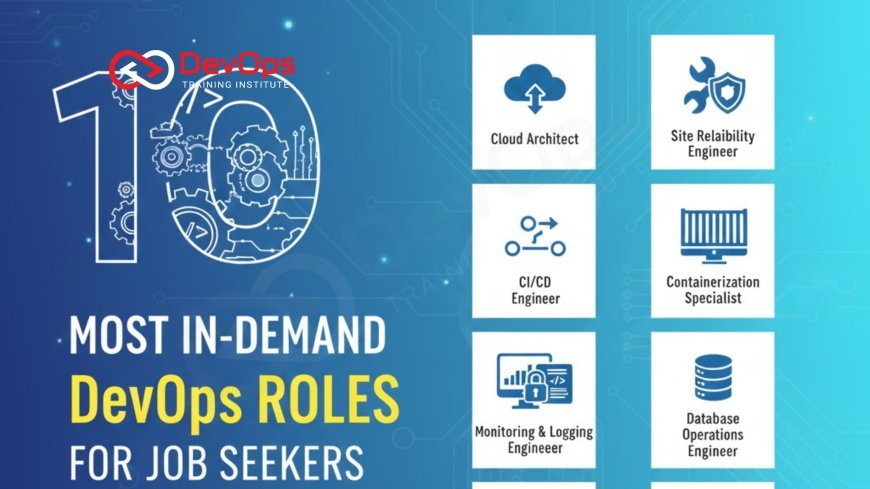
AI adoption is also creating demand for professionals with combined cloud and AI skills. Some emerging career paths include AI-DevOps Engineer, Cloud AI Specialist, and AI Infrastructure Engineer.
Here is how traditional and AI-assisted responsibilities compare:
| Traditional Work | AI-Assisted Work |
|---|---|
| Manual script writing | AI-generated scripts |
| Manual code reviews | AI-supported code analysis |
| Basic error investigation | AI-assisted troubleshooting |
| Manual configuration | Automated infrastructure templates |
| Routine monitoring | AI-supported monitoring |
Skills to Learn for Future-Proof Cloud and DevOps Jobs
If you want to build a long-term career in technology, learning AI tools alongside core technical skills is a practical approach.
Focus on these areas:
- Cloud Platforms: Learn AWS, Microsoft Azure, and Google Cloud.
- DevOps Tools: Build practical knowledge of Docker, Kubernetes, Jenkins, and Git.
- Infrastructure as Code: Learn Terraform and Ansible.
- AI Skills: Understand Claude Opus, prompt engineering, and AI-powered automation.
- Soft Skills: Improve communication, teamwork, and problem-solving.
- Certifications: Consider AWS Certified DevOps Engineer and Google Cloud Professional certifications.
Practical experience is equally important. Build projects that combine cloud infrastructure, automation, and AI tools.
The Future of Cloud and DevOps Careers
AI will continue to change how IT teams work, but cloud infrastructure, cybersecurity, deployment management, and system reliability will remain important responsibilities.
The future belongs to professionals who understand their technology and know how to use AI effectively. Rather than worrying about AI replacing their jobs, cloud and DevOps engineers should focus on learning new tools and improving their technical skills.
Claude Opus is not simply a threat to IT careers. It can become a valuable tool for professionals who are ready to adapt and grow with the changing technology industry.