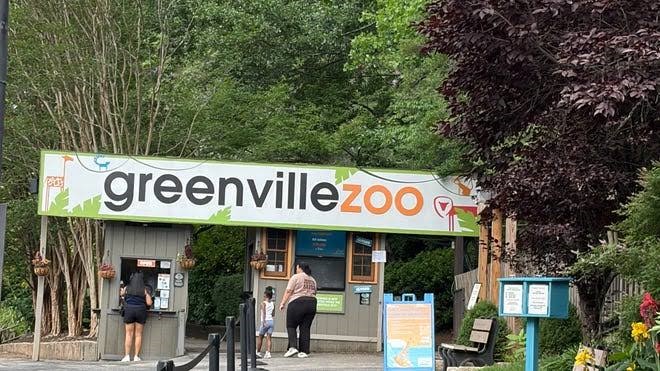
The Greenville Zoo leopard escape has led officials to make important changes to their safety procedures. The incident involved Irina, a four-year-old Amur leopard, who briefly left her enclosure on Thursday morning before being safely recovered by emergency response teams.
Although the situation was brought under control quickly, zoo officials confirmed that human error played a role in the escape. As a result, the Greenville Zoo has already begun adjusting its operational procedures to reduce the chance of a similar event happening again.
What Happened During the Leopard Escape?
The incident began around 8:42 a.m., when staff discovered that Irina was outside her enclosure but still within the secured zoo grounds. Guests and employees were evacuated as a precaution while police officers and zoo emergency teams responded to the scene.
At approximately 9:20 a.m., responders successfully tranquilized Irina and returned her to a secure holding area. Officials later confirmed that no visitors, staff members, or animals were injured during the event.
Safety Procedure Changes Announced by Greenville Zoo
Following an internal review, the zoo stated that procedures have been updated and strengthened. While every operational detail has not been made public, the focus is expected to include:
- Additional enclosure security checks
- Improved staff verification procedures
- Enhanced communication during animal handling
- More detailed emergency response protocols
These changes are designed to improve safety for visitors, employees, and animals.
Before and After the Safety Update
| Area | Before | After |
|---|---|---|
| Enclosure checks | Standard procedures | Additional verification steps |
| Staff handling protocols | Routine process | Strengthened review process |
| Emergency coordination | Existing response plan | Enhanced communication measures |
| Safety oversight | Regular monitoring | Expanded procedural review |
The comparison shows that the zoo is taking a more cautious and structured approach after the incident.
Why Emergency Preparedness Matters
The Greenville Zoo is accredited by the Association of Zoos and Aquariums (AZA). Accredited zoos are required to conduct regular emergency drills, including animal escape scenarios. The quick recovery of Irina demonstrated that trained staff and coordinated emergency procedures can make a significant difference during unexpected situations.
Officials emphasized that the response was carried out out of an abundance of caution and that the public was not placed in danger.
Irina and Her Importance to Conservation
Irina is an Amur leopard, one of the world’s most endangered big cats. Fewer than 150 are believed to remain in the wild, making each individual important for conservation programs.
She arrived at Greenville Zoo from St. Louis in October 2024 and recently gave birth to twin cubs in May 2026. Zoo officials confirmed that the male leopard and both cubs remained safe inside their exhibit throughout the incident.
For readers interested in wildlife protection, you may also want to explore our articles on big cat conservation, zoo emergency preparedness, and how modern zoos protect endangered species.
Final Thoughts
The Greenville Zoo leopard escape was a serious event, but it ended with a safe outcome for everyone involved. The zoo’s decision to update safety procedures immediately after the incident shows a commitment to learning from the event and improving operational standards.
Strong emergency training, careful enclosure management, and clear communication are essential when caring for endangered animals. By strengthening these procedures, Greenville Zoo is taking important steps to help protect both the public and one of the rarest big cats in the world.