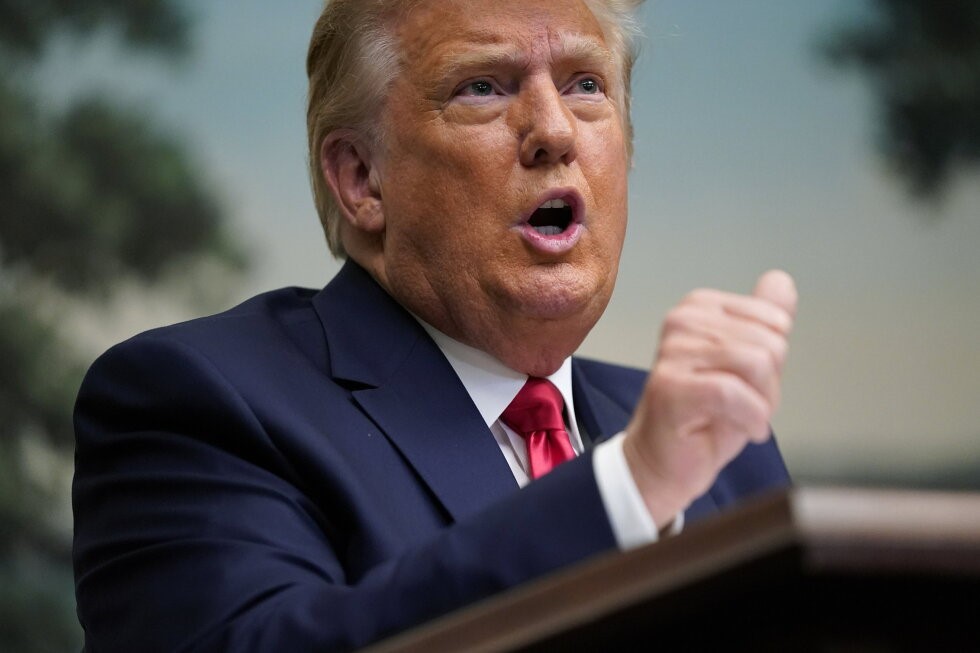
Donald Trump has once again repeated his claims about the 2020 presidential election, bringing renewed attention to a debate that has continued for years. While the former president remains firm in his position, his latest remarks have drawn scrutiny because they were not accompanied by any new evidence.
The issue has become one of the most discussed topics in American politics. Supporters argue that concerns about election integrity deserve attention, while critics say repeated allegations should be backed by clear and verifiable proof. As a result, Trump’s recent comments have reignited conversations about transparency, accountability, and public trust.
Trump Continues to Question the 2020 Election
Since the 2020 election, Trump has consistently argued that the results were unfair. Over time, he has repeated these concerns in rallies, interviews, and public statements.
In his latest comments, Trump once again suggested that the election was not conducted properly. However, despite making similar claims in the past, he did not present new documents, reports, or verified information to support his argument.
This has led many political observers to focus less on the claims themselves and more on the lack of fresh evidence behind them.
Why Evidence Remains the Key Issue
One of the main reasons Trump’s statements continue to attract attention is the ongoing question of evidence. In politics, major allegations often require supporting facts that can be independently reviewed and verified.
Critics argue that repeating a claim does not automatically make it true. Instead, they believe evidence is necessary to establish credibility and help the public understand the facts.
Supporters, on the other hand, maintain that concerns about election procedures should remain part of the national conversation. This difference in perspective has kept the debate active long after the election concluded.
Election Claims vs Evidence
The discussion can be better understood by looking at the difference between claims and evidence.
| Election Claims | Verified Evidence |
|---|---|
| Statements about election irregularities | Facts, records, and data that can be independently verified |
| Raise concerns or questions | Help confirm or challenge those concerns |
| Based on allegations or beliefs | Supported by documented information |
| Often require further examination | Provide proof when validated |
This distinction is at the center of the current debate and explains why questions about evidence continue to surface whenever election-related claims are discussed.
Media and Public Scrutiny Continue
Recent interviews have shown that journalists remain focused on asking for proof when election allegations are raised. Reporters have repeatedly questioned Trump about the evidence behind his statements, leading to tense exchanges and increased media attention.
These moments highlight the role of journalism in holding public figures accountable. When significant claims are made, many voters expect follow-up questions and factual clarification.
The continued scrutiny also reflects the public’s interest in understanding whether new information has emerged since the election.
Why the Debate Still Matters
Although several years have passed since the 2020 election, the topic remains relevant because it affects public confidence in democratic institutions. Trust in elections plays a major role in how citizens view the political process.
For many voters, the debate is no longer just about past election results. It is also about transparency, accountability, and the importance of evidence in public discourse.
Readers interested in election integrity, political accountability, and media scrutiny will find that these issues remain closely connected to the ongoing conversation.
Conclusion
Trump repeats 2020 election claims without presenting new evidence, keeping the issue in the national spotlight. While his supporters continue to back his concerns, critics argue that substantial claims require substantial proof. As discussions about election integrity continue, evidence remains the central question shaping the debate and influencing public opinion.