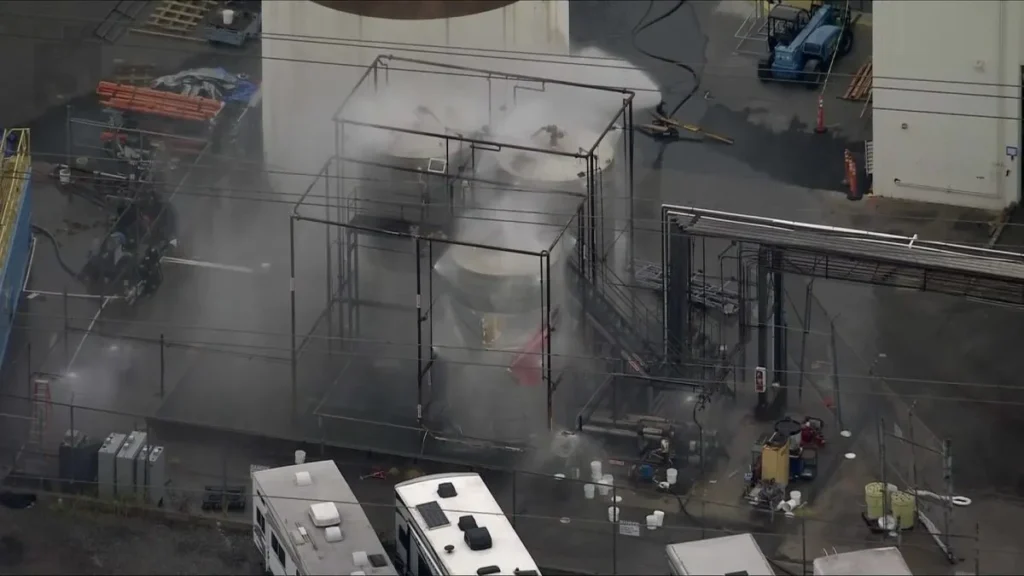
Industrial safety experts are warning that chemical emergencies could become more common in the coming years if industries fail to strengthen safety systems and hazardous material management.
Recent chemical incidents have shown how quickly industrial accidents can place nearby communities, workers, and the environment at risk. Experts believe many facilities are still not fully prepared to handle large-scale chemical emergencies, especially those involving highly reactive materials.
The growing concern comes after several dangerous incidents highlighted weaknesses in industrial safety planning and emergency response systems.
Why Experts Are Concerned About Chemical Emergencies
Modern industries rely on chemicals for manufacturing, energy production, aerospace operations, plastics, and many other sectors. While these chemicals are important for industrial growth, some materials can become extremely dangerous when exposed to heat, pressure, or equipment failure.
Experts say one major risk involves thermal runaway reactions. These reactions happen when chemicals begin overheating and create more heat during the process, leading to rising pressure inside storage tanks.
If the reaction is not controlled quickly, the result can be explosions, fires, toxic gas leaks, or environmental contamination.
Safety specialists warn that aging infrastructure, poor maintenance, and outdated safety systems are increasing these risks across many industrial facilities.
Common Reasons Behind Industrial Chemical Accidents
Several factors can increase the chances of chemical emergencies in industrial plants.
| Industrial Safety Issue | Possible Risk |
|---|---|
| Cooling System Failure | Chemical overheating |
| Equipment Damage | Leaks and explosions |
| Weak Safety Monitoring | Delayed hazard detection |
| Improper Chemical Storage | Dangerous chemical reactions |
| Poor Emergency Planning | Slow evacuation and response |
Experts believe stronger safety investments could help reduce many of these risks before they become disasters.
Communities Near Industrial Facilities Face Growing Risks
One major concern is the number of industrial facilities operating close to residential neighborhoods, schools, and businesses. When chemical emergencies happen, nearby communities are often placed in immediate danger.
Recent evacuation events have shown how quickly thousands of people may need to leave their homes when hazardous materials become unstable.
In some cases, emergency responders have only a short amount of time to prevent explosions or toxic releases from spreading into surrounding areas.
Environmental experts also warn that chemical spills and airborne contamination can create long-term health and environmental problems even after the immediate danger passes.
Experts Want Stronger Industrial Safety Measures
Industrial safety specialists are calling for stricter regulations and better oversight to prevent future chemical emergencies.
Some of the key improvements experts recommend include:
- Advanced temperature monitoring systems
- Better hazardous material storage methods
- More frequent equipment inspections
- Stronger worker safety training
- Improved emergency evacuation plans
- Faster hazard detection technology
Experts also believe companies should regularly update aging infrastructure instead of waiting for equipment failures to occur.
Final Thoughts
Industrial chemical emergencies remain a serious concern for public safety and environmental protection. While many facilities operate safely every day, experts warn that accidents can still happen when safety systems fail or hazardous materials are not managed properly.
The growing warnings from industrial safety experts show that prevention must remain a top priority for companies handling dangerous chemicals.
Readers interested in industrial risk management can also explore topics like hazardous material safety, emergency preparedness, and environmental protection strategies to better understand how industries can reduce future chemical disaster risks.