Meta Description
New polls reveal rising opposition to US action in Iran, with Americans questioning military involvement, costs, and long-term strategy.
Introduction
Public opinion in the United States is shifting quickly as the Iran conflict continues. Recent polls show that more Americans are now questioning the need for military action and expressing concern about where the situation is heading.
Public Opposition Continues to Grow
New survey data shows that a majority of Americans do not support US military action in Iran. Disapproval has increased as the conflict continues, with many people feeling that the risks are greater than the benefits.
Earlier in the conflict, opinions were more divided. However, recent numbers show a clear trend—more Americans are now against continued involvement. This growing opposition reflects concerns about safety, costs, and uncertainty about the outcome. ()
Americans Prefer a Quick End to the Conflict
One of the strongest signals from recent polling is that people want the conflict to end soon. Around 66% of Americans say the US should exit the situation quickly, even if all goals are not achieved. ()
This shows a major shift in mindset. Instead of pushing for complete victory, many citizens now prefer to reduce risk and avoid a long-term war.
Political Views Remain Divided
Political differences still play a role in shaping opinions. Democrats largely oppose military action, while Republicans are more divided.
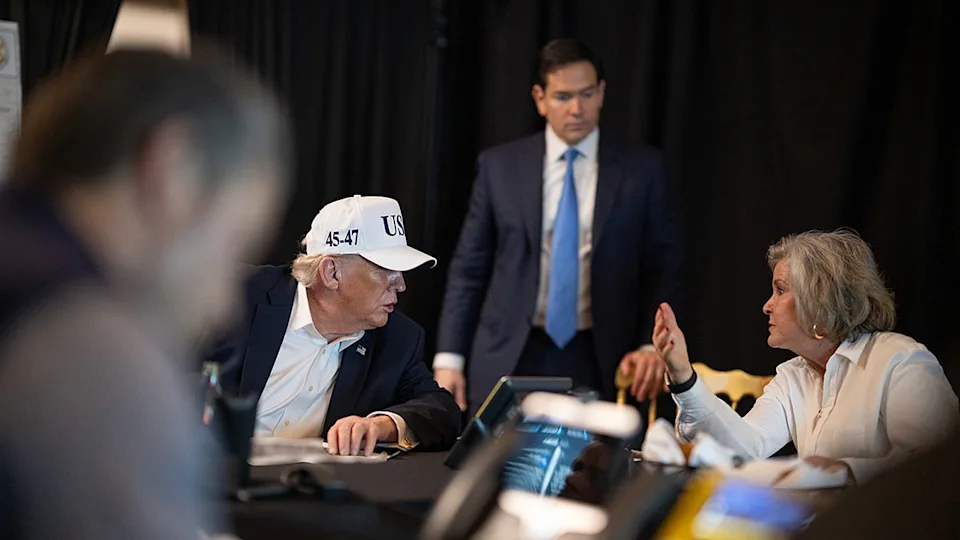
Even within Republican groups, there is no full agreement. Some support stronger action, while others are concerned about the long-term impact. This divide shows that the issue is complex and not limited to one side.
Is the Conflict Worth the Cost?
Many Americans are now asking whether the conflict is worth the cost in both money and lives. Only a small portion of the public believes that the war is justified when these factors are considered.
Comparison of Public Opinion on War Value
| Conflict | % Saying It Was Worth It |
|---|---|
| Iraq War (2003) | 59% |
| Iran Conflict Now | 29% |
This comparison shows that public support for war has changed over time. People today are more cautious and less willing to support long-term military action.
Economic Concerns Drive Public Opinion
The economy is another major factor shaping public views. Rising fuel prices and overall living costs are making people more sensitive to foreign policy decisions.
Many Americans believe the conflict is already affecting their personal finances. A majority also expect economic conditions to worsen if the situation continues. ()
Conclusion
The latest polling data makes one thing clear: opposition to US action in Iran is growing. Americans are increasingly cautious about military involvement and more focused on ending the conflict quickly.
As the situation develops, public opinion will likely continue to influence political decisions. Leaders may need to respond with clearer plans and a stronger focus on both national security and economic stability.