Meta Description
Extreme heat in the Southwest US is breaking records early in the year. Learn what’s happening, why it matters, and how it affects daily life.
Extreme Heat in the Southwest US Is Breaking Records
The extreme heat in the Southwest US is making headlines as temperatures rise far earlier than expected. Places like Arizona and California are already seeing temperatures above 100°F (37.7°C), even though it is just the start of spring. This kind of heat is usually seen in late May or June, not March.
In Phoenix, park officials have even closed hiking trails to protect people from heat-related illness. The risk is real, especially in areas with little shade and limited water sources. Many hikers and outdoor lovers are now changing their plans to stay safe.
How Far the Heat Is Spreading
What makes this situation unusual is how far the heat is reaching. It is not limited to the Southwest US. States like Nebraska, which usually enjoy mild spring weather, are also experiencing high temperatures close to 90°F (32.2°C).
However, the Midwest is expected to see a sudden drop in temperature after this heat wave. This sharp change can increase the risk of wildfires, especially in dry grassland areas.
Why This Extreme Heat Matters
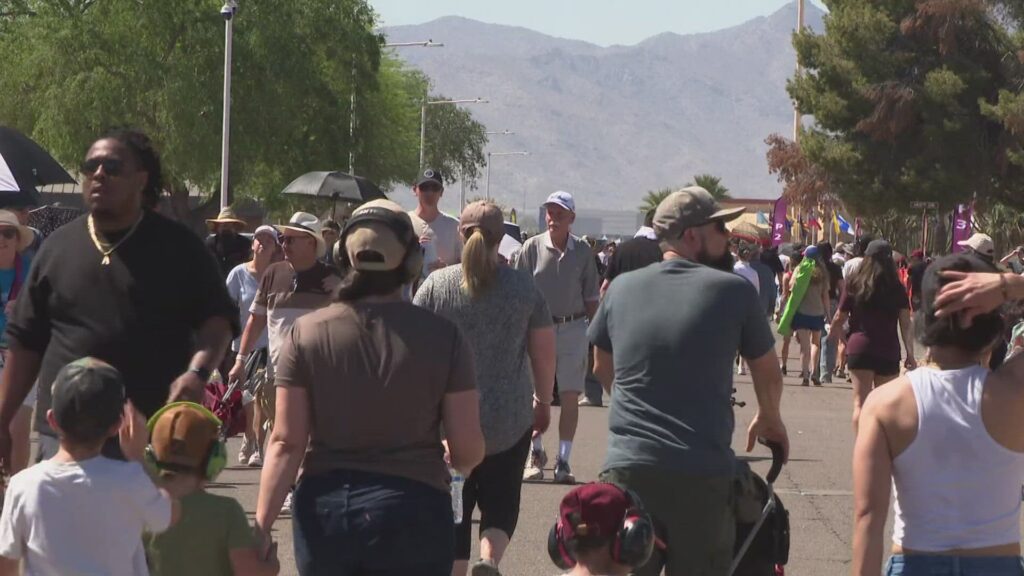
Experts believe this early heat wave is not just a random event. It is part of a larger pattern linked to climate change. Scientists say that rising global temperatures are making such extreme weather events more common and more intense.
For people living in these regions, this means adjusting daily routines. Outdoor activities, travel plans, and even work schedules are being affected. Health risks like dehydration and heatstroke are also increasing.
Real-Life Impact on People
Many individuals are already feeling the effects. For example, long-distance hikers in Arizona have decided to cut their journeys short due to unsafe conditions. With drying water sources and no shade, continuing their journey could be dangerous.
This shows how extreme heat in the Southwest US is not just about numbers on a thermometer. It is changing how people live, move, and plan their days.
Comparison: Normal vs Current Temperature Trends
| Aspect | Normal Spring Weather | Current Situation |
|---|---|---|
| Temperature Range | 70–85°F (21–29°C) | 90–105°F (32–40.5°C) |
| Heat Timing | Late May to June | Early March |
| Outdoor Safety | Generally safe | High risk during daytime |
| Water Availability | Stable | Drying in some areas |
How to Stay Safe During Extreme Heat
If you are in an affected area, taking simple steps can make a big difference. Drink plenty of water, avoid outdoor activities during peak hours, and wear light clothing. Always listen to local weather warnings and follow safety guidelines.
Final Thoughts
The extreme heat in the Southwest US is a clear reminder that weather patterns are changing. While short-term heat waves may pass, the trend of rising temperatures is something that needs attention.
Understanding these changes can help people prepare better and stay safe. As the season continues, it will be important to watch how temperatures evolve across the country.