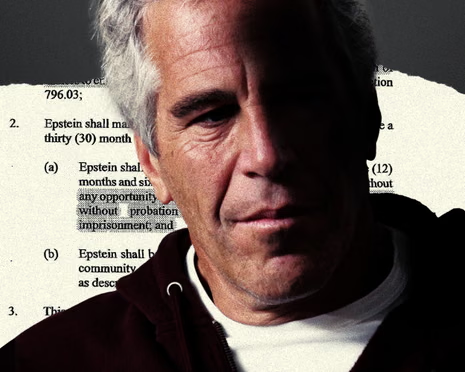
The release of new files linked to Jeffrey Epstein has once again placed powerful figures under intense public scrutiny. Unsealed by the Justice Department, the documents include emails and records that reference well-known names from politics, business, and global influence. While the files do not offer legal conclusions, they have reopened debates about accountability, access, and trust in institutions.
The Epstein case, even years after his death, continues to expose how closely power and secrecy can overlap.
Allegations Found in the Files
Several emails in the released material appear to have been written or stored by Epstein himself. These messages contain serious claims involving influential individuals, including Microsoft co-founder Bill Gates. Some emails describe personal allegations and suggest Epstein was angered when certain relationships ended.
The documents also reference interactions with Elon Musk and other high-profile figures. In these cases, the emails mostly show social communication rather than clear evidence of criminal behavior. Still, the presence of these names has drawn public attention and raised new questions.
This situation connects closely with earlier internal discussions about how informal associations can later become matters of public concern.
Strong Denials From Those Named
Those mentioned in the files have firmly rejected the allegations. Bill Gates has denied all claims, with a spokesperson calling the accusations false and misleading. The response suggests that Epstein attempted to damage reputations after losing influence.
Elon Musk has also denied having a close relationship with Epstein. He has previously stated that he refused invitations to Epstein’s private island and barely interacted with him. Other figures named in the documents, including Prince Andrew and former US president Bill Clinton, have addressed their associations in earlier public statements, with no new accusations emerging in this release.
Allegations vs Public Responses
| Individual | Nature of Allegation | Official Response |
|---|---|---|
| Bill Gates | Personal claims in emails | Denied as false |
| Elon Musk | Social communication | Relationship minimized |
| Prince Andrew | Past association | Previously addressed |
| Bill Clinton | Historical mentions | No new claims |
The Ongoing Fight for Transparency
The Justice Department stated that the files were released after careful review to protect victims. Officials confirmed that all women appearing in sensitive material were redacted, except for Ghislaine Maxwell, who is currently serving a 20-year prison sentence for her role in Epstein’s crimes.
Despite this, critics argue that the full collection of documents has not been disclosed. Lawmakers and advocacy groups claim that only part of the total material has been made public, fueling frustration and suspicion. Victims have also voiced concerns that delays in disclosure have slowed their path to closure.
These issues reflect broader themes already covered on internal pages discussing government transparency and public trust.
Why the Epstein Files Still Matter
The Epstein files are not just about one individual. They represent a larger issue of how powerful networks operate and how long accountability can be delayed. Even without new criminal charges, the documents reveal how Epstein maintained connections with influential people long after his earlier conviction.
Public pressure for full transparency continues to grow. As more people examine these records, the demand for clearer answers becomes stronger. The case remains a reminder that transparency is essential, especially when power and privilege are involved.