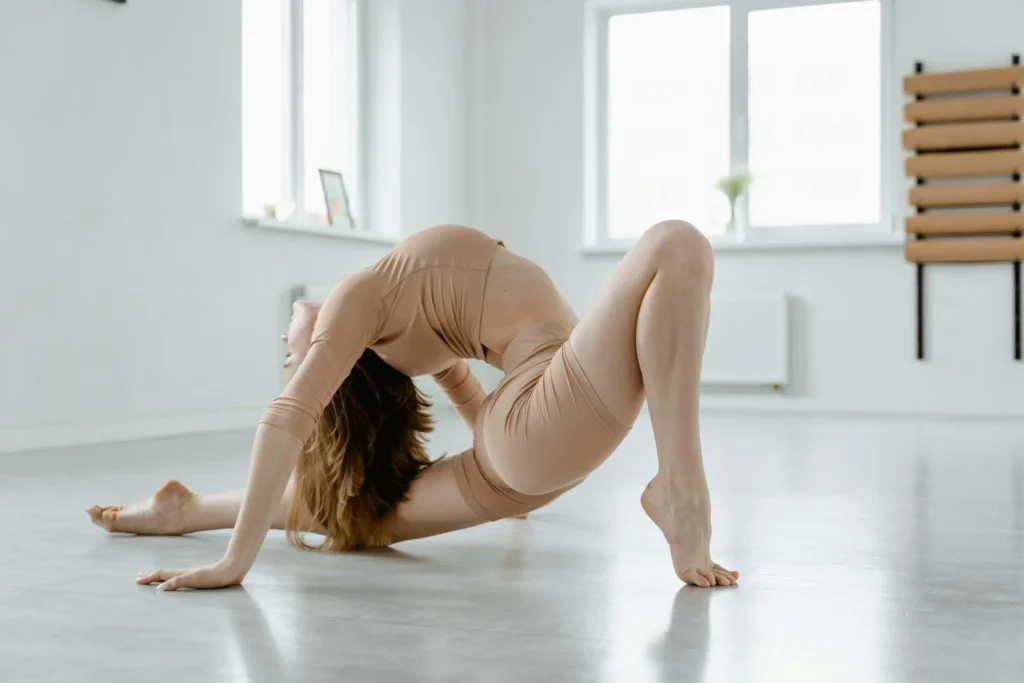
Most people want to feel lighter, move more comfortably and stay active as they age. Yet one of the biggest keys to achieving this—flexibility—often gets ignored. Flexibility helps your body work the way it’s meant to work. It keeps your muscles loose, your joints supported and your movements smooth. When you stay flexible, everyday tasks become easier, and your body feels younger and more capable.
Studies over the years have shown that low flexibility can even be linked to a higher risk of early mortality. That means mobility isn’t just about comfort—it’s about long-term health. The best part? Improving your flexibility doesn’t require expensive equipment or a gym. A simple move you can do at home can make a huge difference.
Why Flexibility Helps You Feel Younger
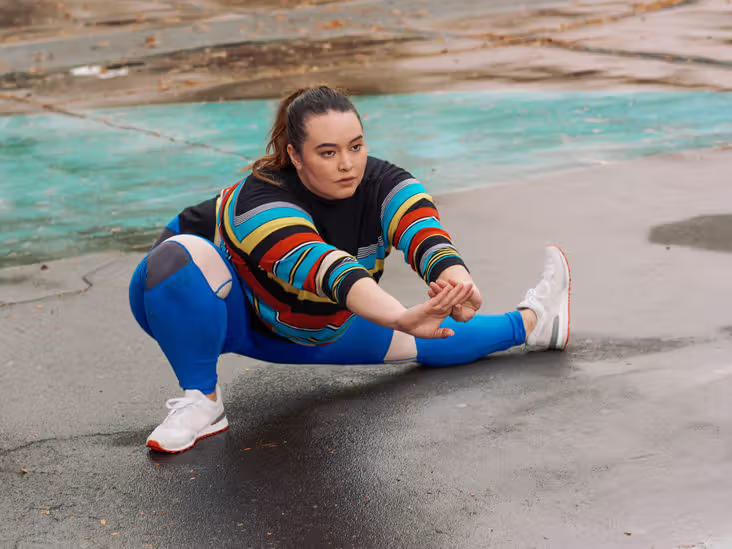
As we get older, stiffness tends to creep in. Sitting for long hours, daily stress and reduced movement can all tighten the muscles around the spine, hips and legs. This limits how well we twist, bend, reach and walk.
Flexibility:
- Supports proper posture
- Helps prevent injuries
- Reduces muscle tension
- Improves balance and stability
- Keeps your joints moving smoothly
When your muscles and joints work together fluidly, your body feels lighter and more energetic. This is one of the biggest reasons staying limber helps you feel younger—not just physically, but mentally too.
The At-Home Exercise That Helps You Move Better: The Standing Roll-Down
Out of all the simple exercises you can do at home, the standing Pilates roll-down stands out as one of the best. It’s gentle, effective and requires zero equipment. You only need one minute and a bit of focus.
This exercise stretches your spine from top to bottom and engages the deep core muscles that support your posture. It also loosens tight hamstrings, improves breathing and encourages better body awareness.
How To Do the Standing Roll-Down
- Stand tall with feet hip-width apart.
- Take a deep breath in to relax your shoulders.
- As you exhale, gently lower your chin toward your chest.
- Roll down slowly, letting each vertebra curve forward one at a time.
- Keep your legs straight and your hips directly over your heels.
- Hang for a moment at the bottom and breathe.
- Inhale, then slowly roll back up. Your head rises last.
Move slowly—this is not a race. The more control you use, the better your body responds. Aim to perform this exercise four to six times a day to feel a noticeable difference. It’s a simple way to refresh your spine and release tension.
Roll-Down vs. Spinal Twist: Which One Should You Do?
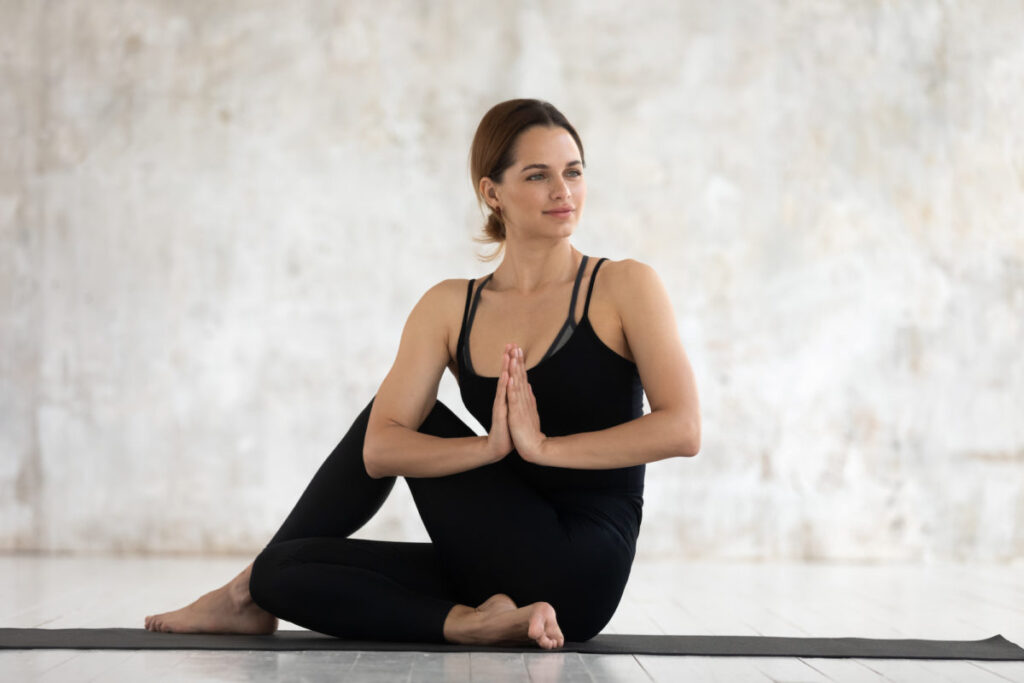
Along with the roll-down, another helpful exercise for flexibility is the supine spinal twist. It’s especially great for people who feel stiff through the lower back or hips.
Here’s an easy comparison to help you understand both:
| Exercise | Main Benefits | Best For | Frequency |
|---|---|---|---|
| Standing Roll-Down | Improves posture, stretches spine and hamstrings, strengthens core | Daily mobility and flexibility | 4–6 times per day |
| Supine Spinal Twist | Loosens lower back, improves spinal rotation, relaxes deep core muscles | People with back tightness or stiffness | 6–8 times per day |
How To Do the Supine Spinal Twist
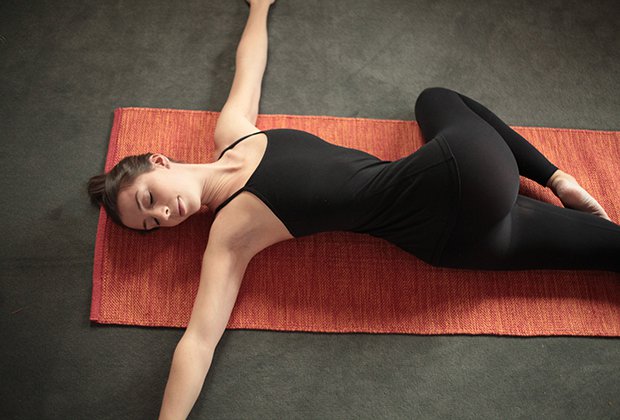
- Lie on your back with arms stretched out in a “T” shape.
- Keep your feet hip-width apart.
- Inhale as you lower both knees to one side.
- Exhale and gently turn your head to the opposite side.
- Hold for three to four slow breaths.
- Return to the center and repeat on the other side.
This stretch helps your spine unwind after long periods of sitting and adds a soothing release to your daily routine.
Final Thoughts
Staying flexible doesn’t require long workouts or complicated routines. The standing roll-down is a simple, effective exercise that can help you feel younger and move better every day. It supports your spine, wakes up your core and eases tightness that builds up from stress or sitting.
Pair it with the spinal twist when you want extra relief, and you’ll notice smoother movement, better posture and an overall lighter feeling in your body.
With just a few minutes a day, you can support your long-term mobility and enjoy a more active, energetic life—right from home.