Meta Description:
Discover how Rep. Ro Khanna used a bold cross-party strategy to push Congress toward the 427-1 vote on the Epstein files, creating one of the biggest political shifts of the year.
The historic 427-1 House vote to release the Jeffrey Epstein files was not expected to be a bipartisan moment. In today’s political environment, where even small issues turn into major battles, such a united decision felt almost impossible. But behind the scenes, Rep. Ro Khanna worked quietly and strategically to bring lawmakers from both parties together. His approach didn’t rely on loud speeches or viral clips. Instead, it was built on relationships, timing, and a deep commitment to transparency.
The vote became one of the strongest signals that cross-party cooperation can still happen — and Khanna’s work was at the center of it.
The Mindset Behind the Strategy
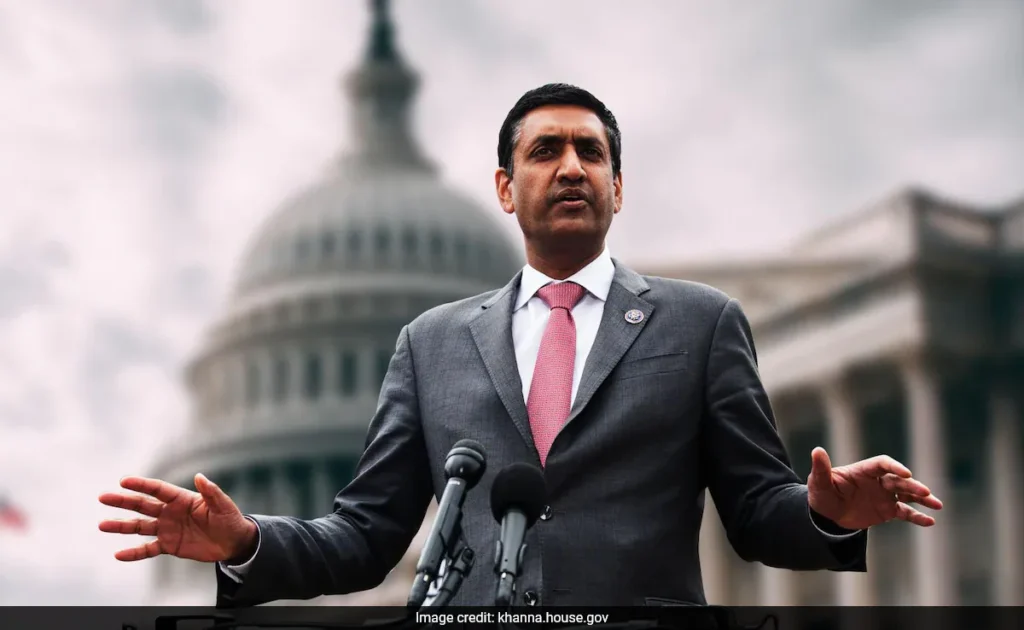
Khanna’s interest in releasing the Epstein files began as part of his larger fight against what he calls the “elite class” — powerful figures who have long operated without accountability. But everything shifted when he met survivors in person. Their stories were emotional, painful, and deeply personal. Some carried guilt. Some struggled with blocked memories. All wanted truth.
Those moments reshaped his mission. What started as a push for justice became a promise he felt responsible to keep.
Yet the road ahead required more than passion. It required strategy, especially in a divided Congress.
Building Bridges Others Avoided
One of Khanna’s biggest strengths in this effort was his ability to work with people most Democrats avoid. He teamed up with Republican Rep. Thomas Massie, someone with whom he previously worked on foreign policy. Massie later said their chance of success in the beginning was “4 percent.” But Khanna remained focused.
He also reached out to Rep. Marjorie Taylor Greene, a partnership almost no one predicted. What helped? He never attacked her publicly. That made communication easier when they needed to cooperate.
Another moment showed his awareness of the smallest details. When Rep. Lauren Boebert agreed to sign the discharge petition only if she didn’t have to wait in line, Khanna quickly adjusted the process so she could walk up and sign. A small gesture — but one that moved the bill forward.
Comparison: Standard Congressional Approach vs. Khanna’s Cross-Party Method
| Standard Congressional Approach | Khanna’s Cross-Party Method |
|---|---|
| Strong focus on party loyalty | Strong focus on issue over party |
| Public criticism of opponents | Respectful communication across sides |
| Slow progress on complex issues | Fast action through unusual alliances |
| Messaging aimed at one base | Messaging across media and audiences |
Why Khanna’s Approach Worked
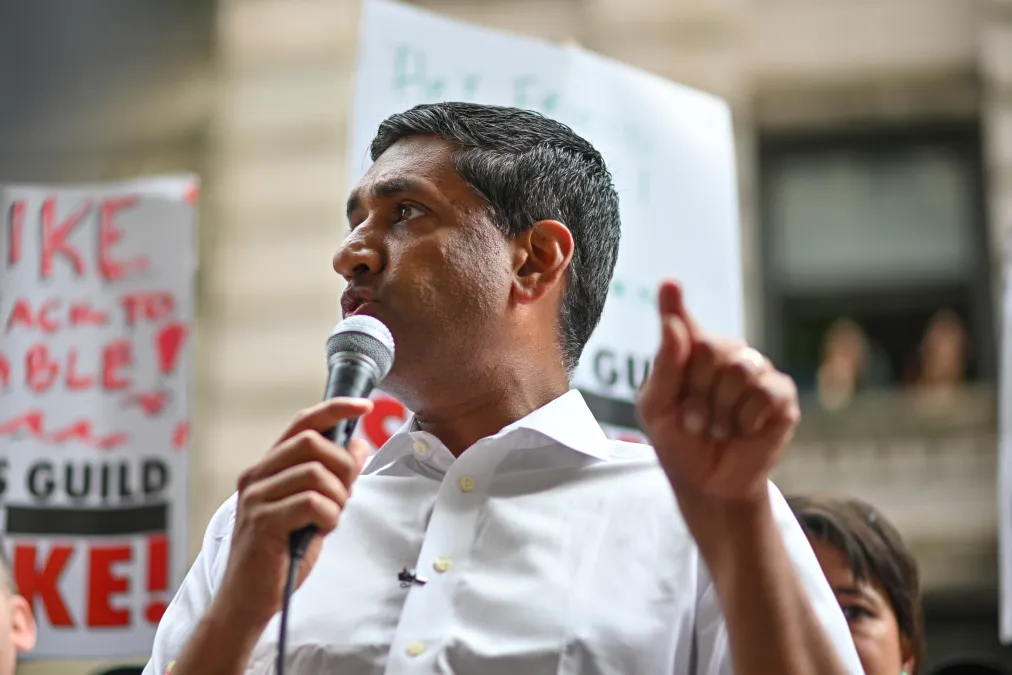
Khanna found a balance that many lawmakers struggle to achieve. He showed up in conservative media spaces while still remaining committed to progressive values. He kept conversations open with Republicans without alienating Democrats. And he made survivors the center of the discussion, which kept pressure on Congress as the bill gained attention.
For him, this wasn’t just about policy. It was about proving that bold ideas can turn into real action when leaders are willing to step outside political comfort zones.
A Vote That Changed More Than the Files
When the vote finally arrived, the result stunned Washington. Survivors cheered. Members from both parties applauded. The overwhelming margin embarrassed some MAGA conservatives and created clear divisions inside the movement. Khanna had not only helped force Congress to act — he had also helped set off a debate about transparency, accountability, and political courage.
For Khanna, this was more than a win. It was evidence that his style of leadership can work in a polarized America.
Looking Ahead: What Khanna Wants to Tackle Next
Khanna is already thinking about the next steps. He is exploring proposals with Greene to limit private equity firms buying single-family homes. He is considering ways to lower the Medicare eligibility age to 55 with Republican support. He wants to take on excessive defense spending. And he still plans to push for a tax aimed at the billionaire class — or what he now calls the “Epstein class.”
To him, the Epstein files vote is a proof of concept: real progress happens when leaders focus on people, not party lines.
Ro Khanna’s cross-party strategy didn’t just unlock a long-stuck vote. It showed that at moments when politics feels broken, practical cooperation can still break through. His quiet, steady approach made Congress act — and changed the national conversation in the process.